10 Reasons Your DIY Water Damage Restoration Isn’t Working (and How to Fix It in Bucks County)
- info603880
- Apr 12
- 5 min read
Waking up to a soggy carpet or a dripping ceiling is enough to make any Bucks County homeowner’s heart sink. Whether it’s a burst pipe in Doylestown or a heavy spring rain flooding your basement in Levittown, your first instinct is probably to grab every towel in the house and start cleaning.
We totally get it. You want to save your home, and you want to save money. But here’s the thing: water damage restoration is a lot more scientific than just soaking up a puddle. Many times, the "DIY approach" ends up being a temporary bandage on a wound that needs stitches.
If you’ve been running fans for three days and things still feel "off," you’re not alone. Let’s look at ten reasons why your DIY efforts might be stalling and how we can help you get things back to normal.
1. You Can’t Fix What You Can’t See
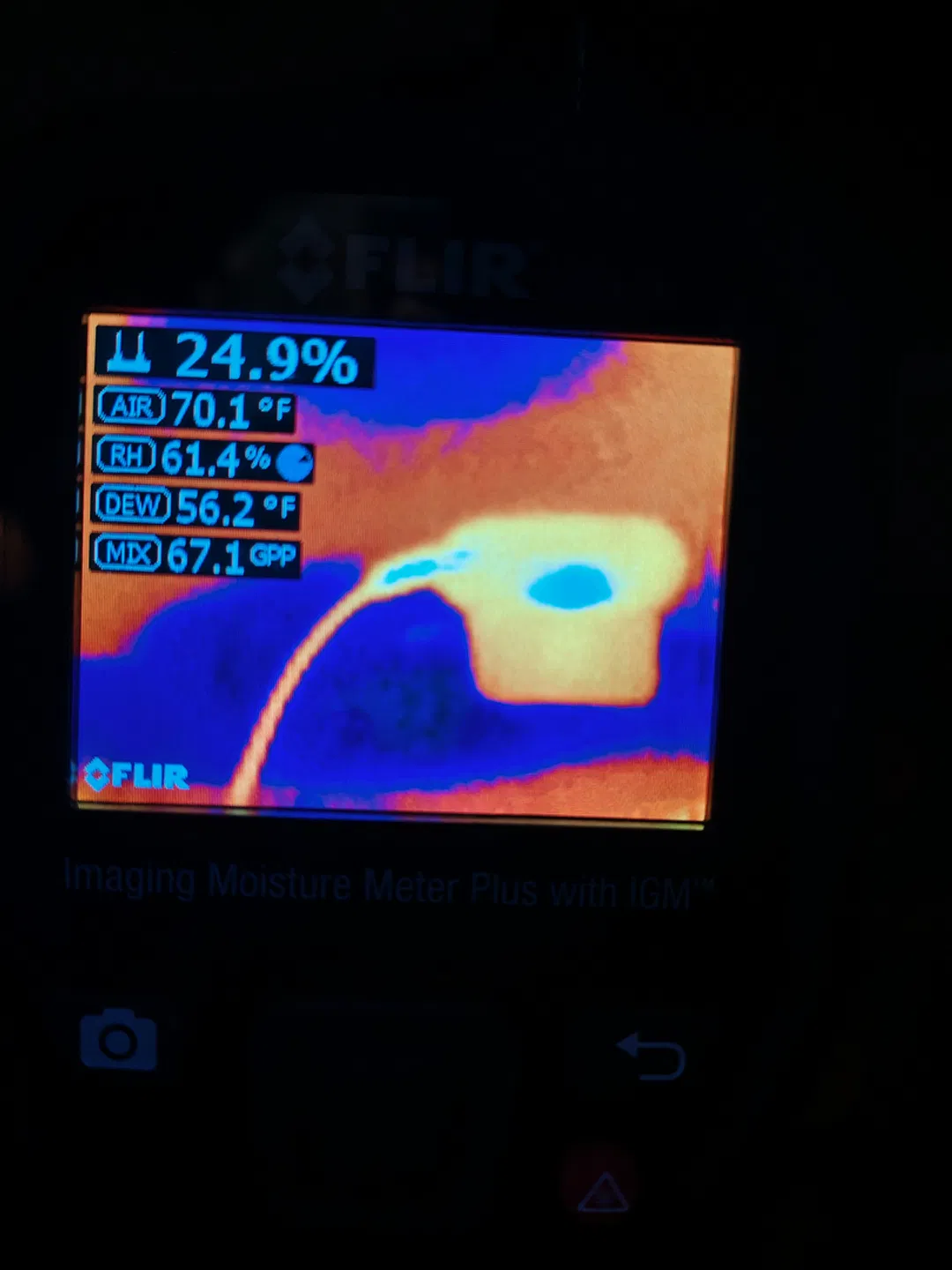
This is the number one reason DIY restoration fails. Water is sneaky. It doesn't just sit on top of your floor; it follows gravity, seeping under baseboards, into wall cavities, and deep into subfloors.
While the surface might feel dry to your hand, the insulation inside your walls could still be soaking wet. Without professional-grade tools like infrared cameras and moisture meters, you're essentially guessing.
2. Your Shop-Vac Isn't Enough
We love a good shop-vac for cleaning up sawdust in the garage, but for emergency flood cleanup, it’s like bringing a squirt gun to a house fire. Household vacuums and small consumer pumps lack the "lift" and "CFM" (cubic feet per minute) required to extract water from deep within carpet padding or hardwood pores.
If you don't get the bulk of the water out in the first few hours, it becomes significantly harder to dry the structure.
3. The 48-Hour Mold Clock is Ticking
Did you know that mold can start to colonize in as little as 24 to 48 hours? In our humid Pennsylvania climate, this window is even tighter. If your DIY drying process takes four or five days, you aren't just drying your home: you’re growing a science experiment.
Once mold takes root in your drywall or subflooring, you’re no longer just looking at a "water problem." You’re looking at a full-scale mold remediation project.
4. Household Fans Don’t Have the Muscle
You might have every box fan in the house pointed at your wet wall, but those are designed to move air for comfort, not for structural drying. Professional restoration uses high-velocity air movers and industrial-grade dehumidifiers.
These machines don't just "blow air"; they create a specific pressure environment that pulls moisture out of solid materials and into the air, where the dehumidifier then "squeezes" it out. Without that industrial power, the moisture just hangs out in the room, making everything feel muggy and damp.

5. You Might Be Handling "Dirty" Water
Not all water is created equal. In the restoration world, we categorize water from 1 to 3:
Category 1: "Clean" water from a broken supply line.
Category 2: "Gray" water that might have some contaminants (like a dishwasher overflow).
Category 3: "Black" water, which is highly contaminated (sewage backups or river flooding).
If you’re dealing with a sewage clean up situation on your own, you’re risking your health. Without the right PPE (Personal Protective Equipment) and antimicrobial treatments, you could be exposing your family to pathogens and bacteria that a simple bottle of bleach won't kill.
6. The "Wicking" Effect
Water doesn't just go down; it goes up. Drywall is incredibly porous. If you have two inches of standing water on your floor, the water can "wick" up the drywall up to a foot or more.
If you only dry the floor and don't address the moisture trapped inside the walls, the studs will begin to rot from the inside out. This leads to structural issues that are much more expensive to fix down the line. You can learn more about preventing these long-term issues in our guide on daily habits to avoid water extraction services.
7. Improper Cleaning Agents
Many homeowners reach for bleach or vinegar. While these have their uses, they aren't always effective on porous materials like wood or drywall. Professional restorers use EPA-registered, hospital-grade disinfectants and odor neutralizers specifically designed for water damage. Using the wrong chemical can sometimes set a stain or, worse, create a toxic reaction if mixed with other household cleaners.
8. Restoration is a 24/7 Commitment
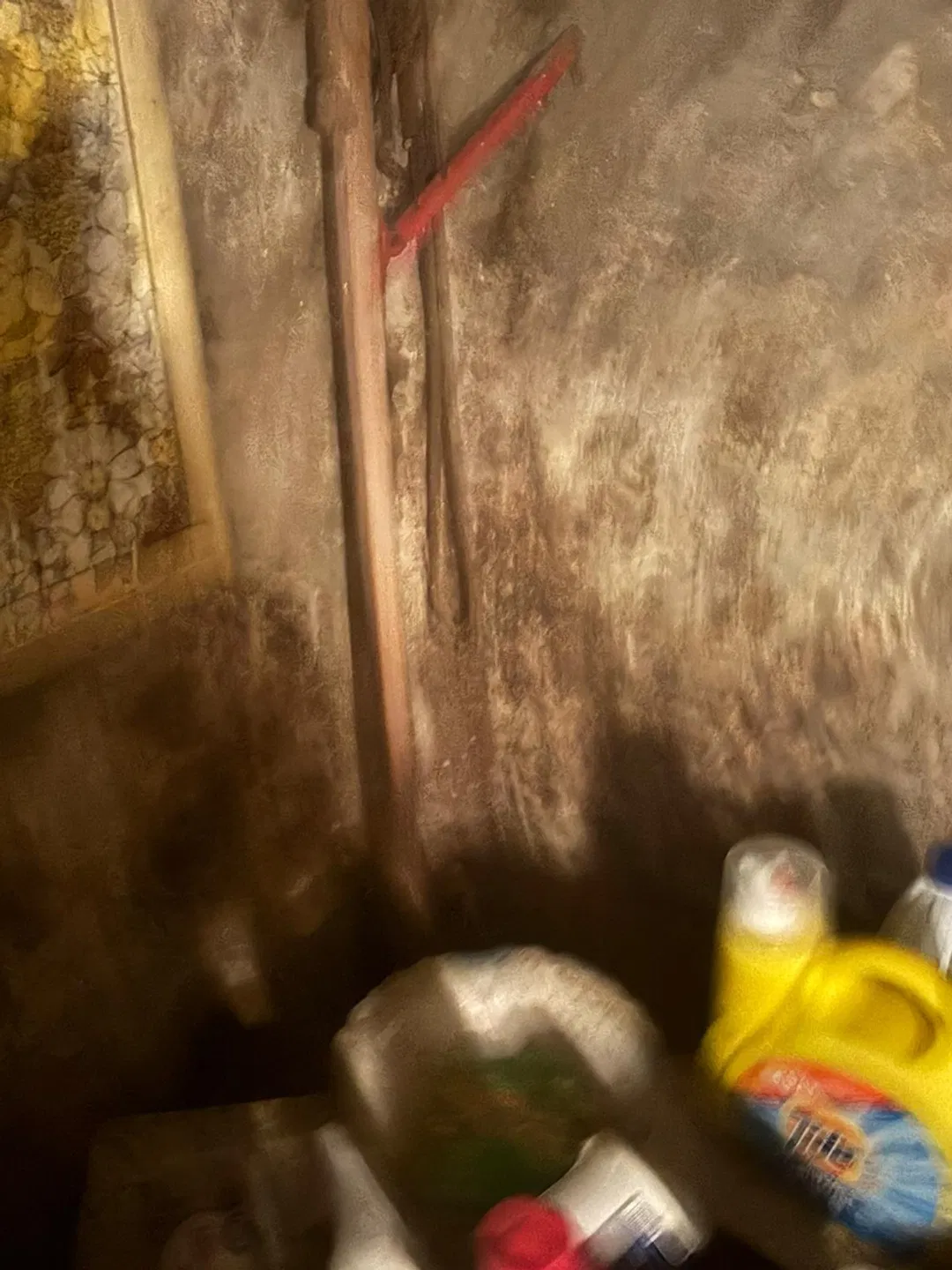
Real restoration isn't a "set it and forget it" task. It requires constant monitoring. Professionals check moisture levels daily to adjust the placement of equipment. If you’re trying to balance a job in Newtown and a family in Bensalem while managing a flood, you simply won't have the time to monitor the drying progress correctly.
Missing even one day of monitoring can mean the difference between a successful dry-out and a total floor replacement.
9. Insurance Company Hurdles
Here is a hard truth: if you do the work yourself and something goes wrong later (like mold appearing six months from now), your insurance company might deny the claim. They typically require professional documentation: including moisture maps and drying logs: to prove that the house was returned to its "pre-loss condition."
By calling in the "Heros," you get the paperwork you need to ensure your home’s value is protected. Check out our post on insurance and sump pump failures for more insight on coverage.
10. Ignoring the Odor
That "musty basement smell" isn't just a sign of an old house: it's the smell of active microbial growth. If your DIY efforts leave behind a lingering scent, it means there is still moisture trapped somewhere. Professionals use hydroxyl generators and ozone machines to neutralize odors at a molecular level, rather than just masking them with floral sprays.
How to Fix a DIY Project Gone Wrong
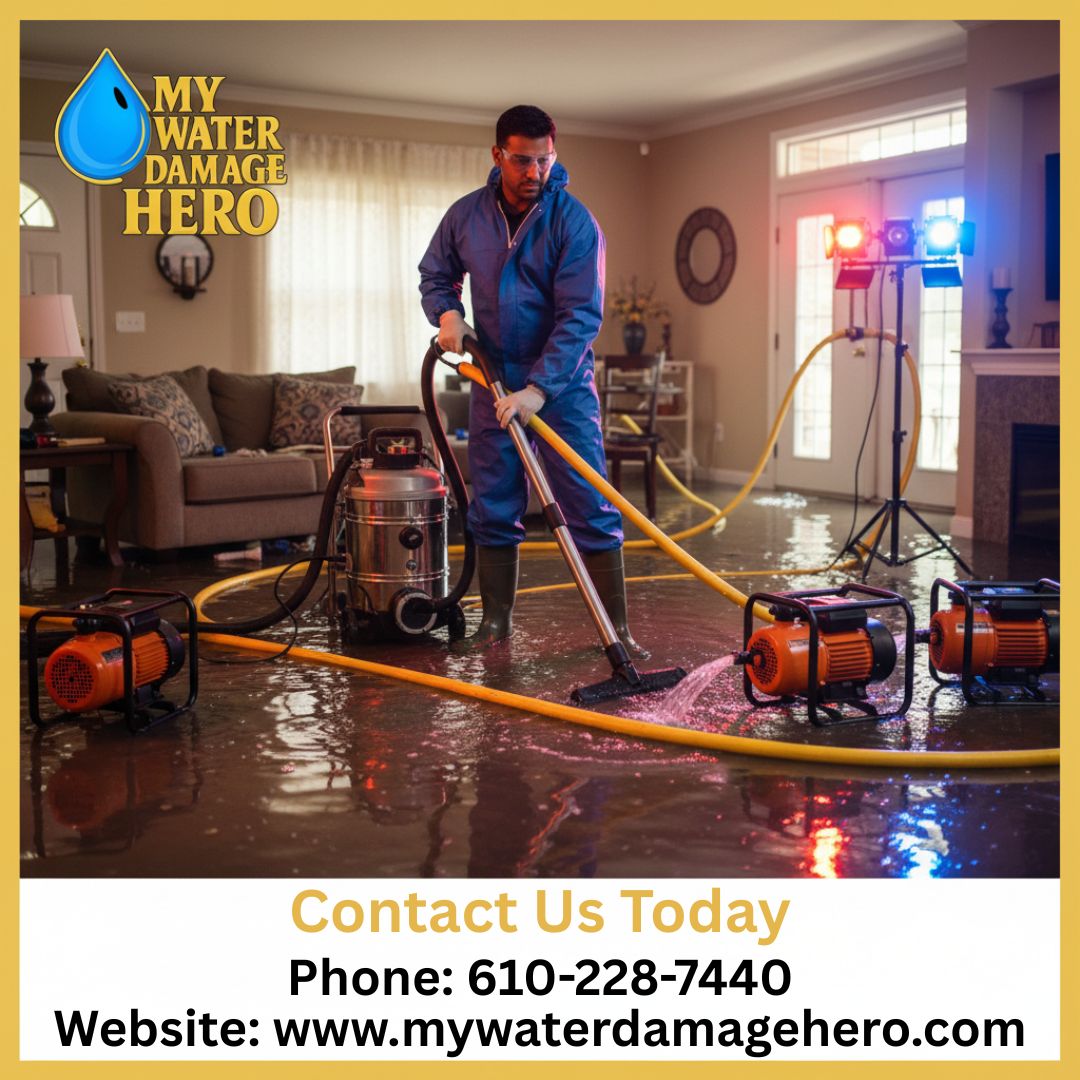
If you’ve tried the DIY route and things just aren’t getting better, don’t panic! It’s never too late to call in professional help to stop the damage from spreading. Here is how we get things back on track:
Professional Assessment: We use high-tech moisture probes to find exactly where the water is hiding (it's usually in places you'd never expect!).
Rapid Extraction: We use truck-mounted extraction units that pull gallons of water out in minutes, not hours.
Targeted Structural Drying: We don't just dry the room; we dry the structure. We might use "in-wall" drying systems or floor mat systems to save your expensive hardwoods.
Sanitization: we use safe, effective antimicrobials to ensure your home is healthy and odor-free.
Documentation: We provide the full report for your insurance company so you can breathe easy.
We’re Your Bucks County Neighbors
At My Water Damage Hero, we live and work right here in the area. We know the specific challenges of homes in Bristol, Warminster, and Quakertown. We’re not a faceless national chain; we’re your neighbors, and we’re here to help you through the stress of home emergencies.
Don't let a small leak turn into a structural nightmare. Whether you need water damage restoration, mold remediation, or help with a messy sewage clean up, we have the tools and the expertise to handle it.
Ready to get your home back to normal? Don't wait for the musty smell to take over. Give us a call, and let’s get those floors dry and your family safe. We're available 24/7 because we know that water damage doesn't wait for business hours!
For more tips on keeping your home safe, check out our 5-minute daily water damage prevention routine.
Comments