The Simple Trick to Improve Your Home Safety and Prevent Emergency Flood Cleanup in Berks County
- info603880
- Mar 26
- 5 min read
We’ve all been there. You’re sitting in your living room in Reading or Wyomissing, listening to the rhythm of a heavy Pennsylvania downpour against the windows. It starts out peaceful, but then that little voice in the back of your head starts whispering: “Is the basement okay?”
Before you know it, you’re grabbing a flashlight and trekking down the stairs, praying you don’t feel that dreaded "squish" under your feet. Water damage is one of those things we all hope happens to "the other guy," but in Berks County, the reality is a bit more sobering.
Did you know that about 26,000 properties in our county: that’s roughly 17% of all homes and businesses: have an 80% or higher chance of flooding over the next 30 years? It’s a staggering number. But here’s the thing: you don’t have to just sit there and hope for the best. There is one incredibly simple trick that can save you from the nightmare of emergency flood cleanup.
Let’s talk about how to keep your home dry and your stress levels low.
The "Simple Trick" You’re Probably Ignoring
If you were expecting some high-tech, expensive gadget, I’ve got good news for your wallet. The most effective way to prevent a flooded basement and the need for water damage restoration is actually sitting right above your head.
It’s your gutters.
I know, it sounds too simple to be true. But here’s the deal: your gutters are the primary defense system for your home’s foundation. When they are clogged with leaves, twigs, and Berks County debris, the water has nowhere to go. Instead of being channeled safely away from your house, it overflows.
That overflowing water doesn't just disappear. It streams directly down your siding and pools right next to your foundation. Over time, that standing water creates immense pressure. It finds the smallest cracks in your concrete and pushes its way into your basement.
The Fix: Clean your gutters at least twice a year: once in the spring and once in the fall. Make sure the downspouts are clear and, most importantly, that they extend at least 5 to 10 feet away from your home. If your downspouts just dump water at the base of your wall, you’re basically inviting a flood inside.
Why Berks County Homeowners Need to Be Extra Vigilant
We love our rolling hills and beautiful landscapes here in SEPA, but those same features contribute to our local flood risks. With nearly 1 in 5 properties at high risk, Berks County is a bit of a hotspot for moisture issues.
Surprisingly, despite this high risk, 96% of at-risk properties in our area don't have flood insurance. That means if a major storm hits and your basement turns into a swimming pool, you could be looking at tens of thousands of dollars in out-of-pocket costs.
While insurance is a great safety net, prevention is your first line of defense. Beyond gutters, you should take a look at your landscaping. This is called "grading." You want the ground to slope away from your foundation. If the soil near your house is flat or: worse: sloping toward the walls, you’re going to have problems.
Think of your yard like a slide. You want the water to "slide" away toward the street or a drainage area, not into your window wells.
Step Up Your Defense with Modern Tech
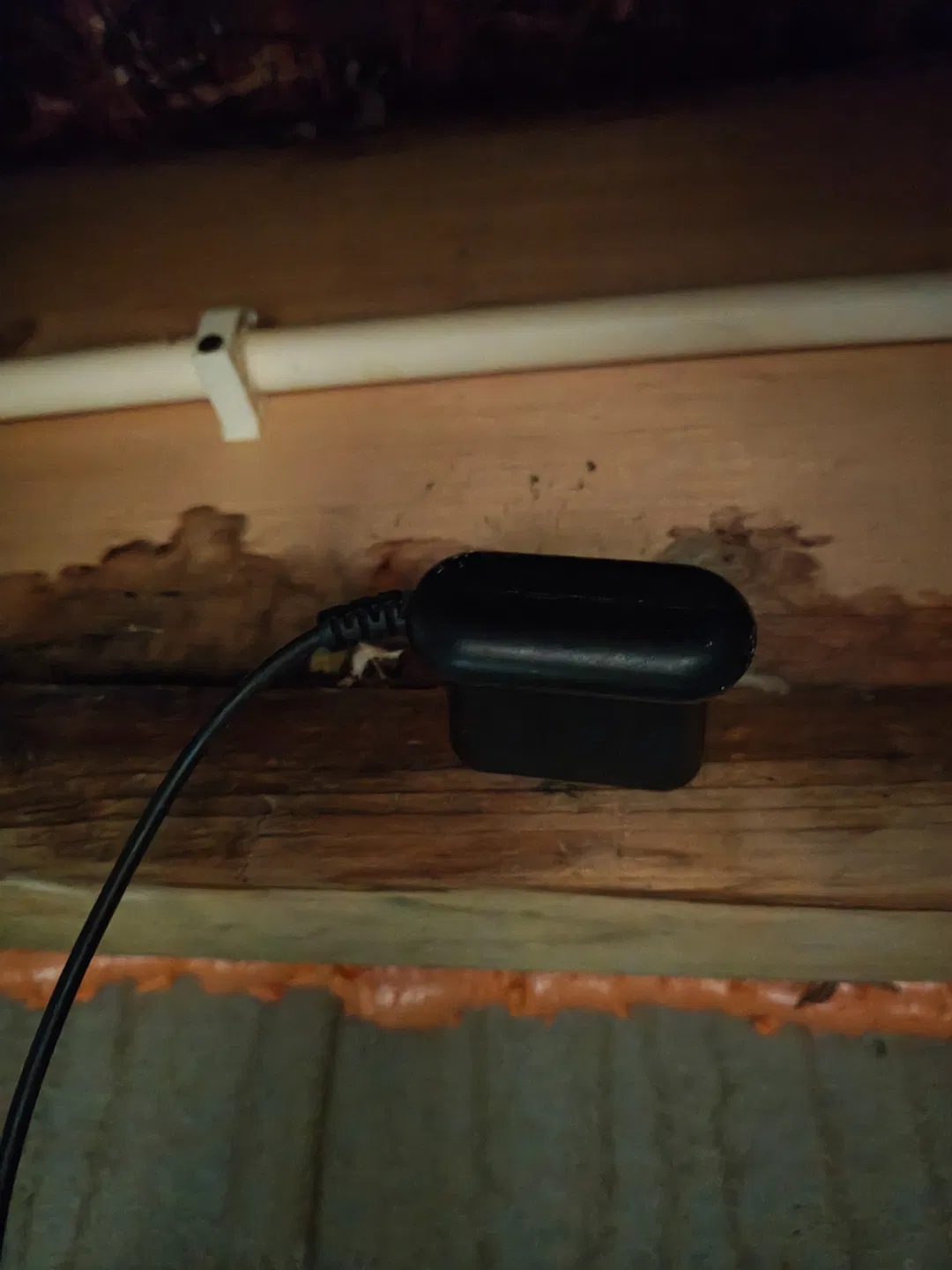
If you want to go beyond the basics, there are some fantastic tools available today that can give you peace of mind. We often recommend Berks County homeowners look into smart water sensors.
These tiny devices are heroes in their own right. You place them near high-risk areas: like your water heater, sump pump, or washing machine. If even a tiny bit of moisture touches them, they send an alert straight to your phone.
Imagine catching a leaky pipe while it’s still a "drip" instead of coming home from a weekend in the Poconos to a three-inch deep lake in your kitchen. Catching it early is the difference between a quick mop-up and a full-scale sewage clean up or restoration project.
Also, don't forget about your sump pump! It’s the heart of your basement’s defense. If you haven't checked it lately, you might be making some common sump pump maintenance mistakes. A battery backup for your sump pump is a must-have for those times when the power goes out during a storm.
When Water Sneaks In: The Mold Factor
Sometimes, even with the best gutters and a perfect slope, water finds a way. Maybe a pipe bursts or a window seal fails. When that happens, you’re on a very tight clock.
Mold is the silent enemy that follows water damage. In the humid climate of Pennsylvania, mold can start to grow in as little as 24 to 48 hours. This isn't just a "smell" issue; it’s a health and structural issue.
If you notice a musty odor or see dark spots on your drywall, it’s time to call in the pros for mold remediation. We use specialized equipment to find moisture that the naked eye can’t see.
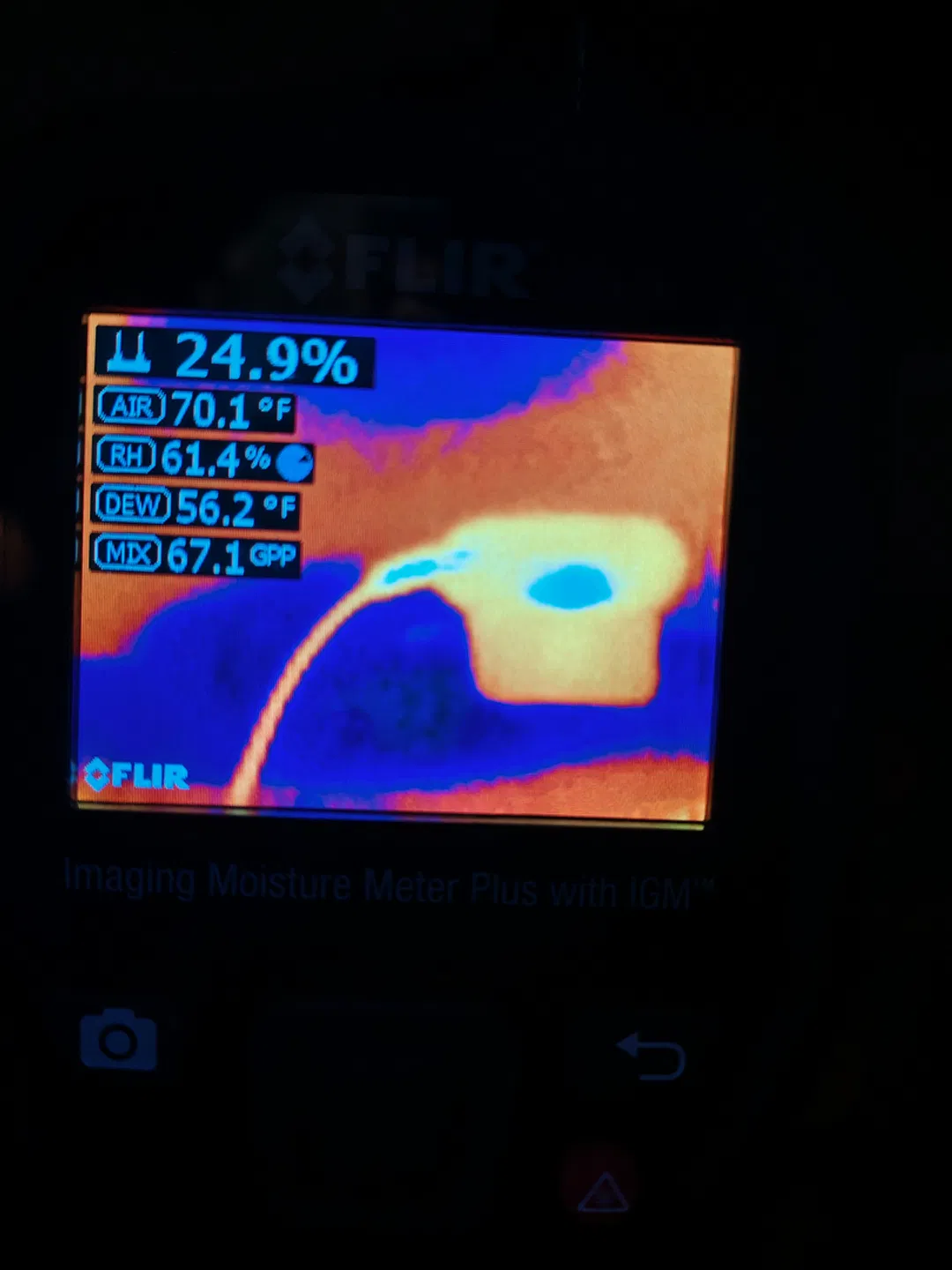
As you can see in the image above, we use FLIR thermal imaging to pinpoint exactly where water is hiding behind your walls. This allows us to target our drying efforts and ensures that we don't leave any "pockets" of moisture behind that could lead to mold growth later on.
What to Do If You Have an Emergency
If you walk downstairs and find standing water, don't panic. Take a deep breath. Your first priority is safety.
Turn off the power: If you can safely reach your breaker box without stepping in water, shut off the electricity to the affected area.
Stop the source: If it’s a burst pipe, shut off the main water valve.
Call for help: This isn't a DIY job for a shop vac. Professional emergency flood cleanup requires industrial-strength water extractors and high-speed air movers.
At My Water Damage Hero, we see these situations every day throughout Berks and Montgomery counties. We know how stressful it is to see your home under water. Our job is to swoop in, extract the water, dry everything out, and get your life back to normal as quickly as possible.

Proactive Habits for a Safer Home
While cleaning your gutters is the "big" trick, there are smaller daily habits that can make a huge difference. We call this the 7-minute daily safety routine. It involves things like:
Checking under the kitchen sink for dampness.
Listening for the "running water" sound when all faucets are off.
Checking the age of your water heater (most only last 10-12 years!).

By staying proactive, you are protecting your biggest investment. Whether you are in Reading, Boyertown, or Kutztown, being a "Hero" for your own home starts with these simple steps.
Final Thoughts: Don't Wait for the Rain
Prevention is always cheaper and less stressful than restoration. Take a look at your gutters this weekend. Check the slope of your yard. Consider a smart water sensor. These small actions can save you from a major headache down the road.
But if the worst does happen, know that you aren't alone. We’ve been helping our neighbors in Southeast PA for years, and we’re always ready to help you too. Whether it’s water, mold, or even sewage clean up, we’ve got the tools and the expertise to handle it.
Stay dry, Berks County! If you have any questions or need a quick inspection to make sure your home is "flood-proof," don't hesitate to reach out to us. We’re here to help you be the hero of your home.
Comments