Mold Remediation Secrets Revealed: What Experts Want Bucks County Families to Know About "Summer Mustiness
Hey there, Bucks County neighbor! We’ve all been there. You walk into the basement to grab the holiday decorations, or you step into the attic to tuck away some winter clothes, and you’re hit with it: that heavy, damp, slightly earthy smell.
In Pennsylvania, we often shrug it off as "summer mustiness." We tell ourselves it’s just what happens when the humidity kicks in and the air gets thick enough to chew. But here’s the thing: that smell isn’t just a seasonal quirk of living in the Northeast. It’s actually your home’s way of screaming for help.
At My Water Damage Hero, we see this every single year as the temperatures climb in Doylestown, Bensalem, and Quakertown. That "musty" scent is almost always the first sign of a mold problem brewing just out of sight. Today, I’m pulling back the curtain on what the pros know about mold remediation and how you can protect your family this summer.
Why Bucks County Summers are a "Mold Storm"
We love our summers, but let’s be real: the humidity in Southeastern PA can be brutal. During a typical July or August, humidity levels often soar above 80%. When that moist air hits the cooler surfaces in your home (like your basement walls or the underside of your roof), it creates condensation.
Mold doesn’t need a massive flood to start growing. It just needs three things: food (like drywall or wood), warmth, and moisture. When the humidity inside your home stays above 60% for more than a day or two, you’ve essentially turned your house into a giant petri dish.
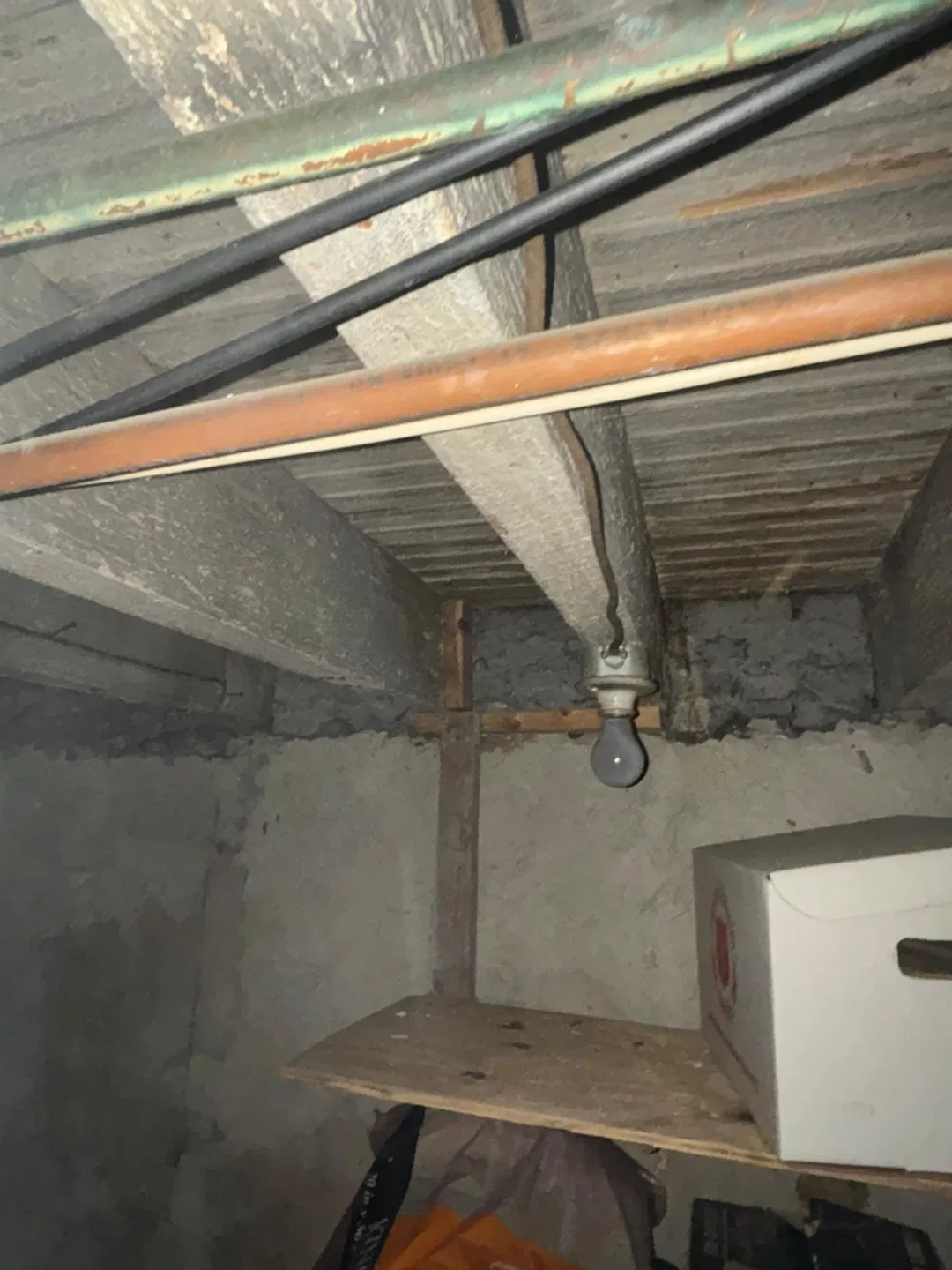
Most families don’t realize that mold can start colonizing within 24 to 48 hours of a moisture event. Whether it’s a tiny leak from a summer thunderstorm or just high humidity in a crawl space, the clock starts ticking immediately. This is why water damage restoration is so time-sensitive.
The Secret Hiding Spots: Where the "Must" Lives
If you can smell it but you can't see it, it doesn't mean it isn't there. Experts know that mold is a master of hide-and-seek. In Bucks County homes: especially our beautiful older properties: mold loves to hang out in places you rarely check:
Behind the Drywall: If you have a slow leak from a window AC unit or a pipe, mold can grow on the back side of the wall.
Inside Attic Insulation: Humid air rises. If your attic isn't properly ventilated, that moisture gets trapped in your insulation, leading to a "musty" attic that eventually affects your indoor air quality.
Crawl Spaces: These are the #1 culprits for "summer mustiness." Most crawl spaces are damp by nature, and once mold takes hold there, the "stack effect" pulls that moldy air up into your living areas.
Under the Carpeting: If your basement floor "sweats" during the summer, the padding under your carpet acts like a sponge.
The "Spray and Pray" Myth
One of the biggest secrets we want to share is this: Bleach is not the answer.
We see it all the time. A homeowner sees a little black spot in the bathroom or basement, grabs a bottle of bleach, sprays it, and thinks the problem is solved. But here’s the reality: bleach is mostly water. While it might change the color of the mold on the surface (the "shaving the top off the weed" effect), the water in the bleach actually soaks into the porous material and feeds the roots of the mold.
Professional mold remediation involves much more than just cleaning a surface. It’s about containment and removal. If you scrub mold without proper containment, you’re actually releasing millions of microscopic spores into the air, where they’ll float around and find a new place to grow.
How the Pros Find the Invisible
How do we know exactly where the mold is hiding? We don't just guess. We use technology that feels a bit like science fiction.
We use moisture meters to see how much water is trapped inside your walls without having to tear them down first. But the real game-changer is FLIR thermal imaging. These cameras detect temperature differences. Since damp areas are usually cooler than dry areas, we can "see" the moisture behind your wallpaper or under your floorboards.
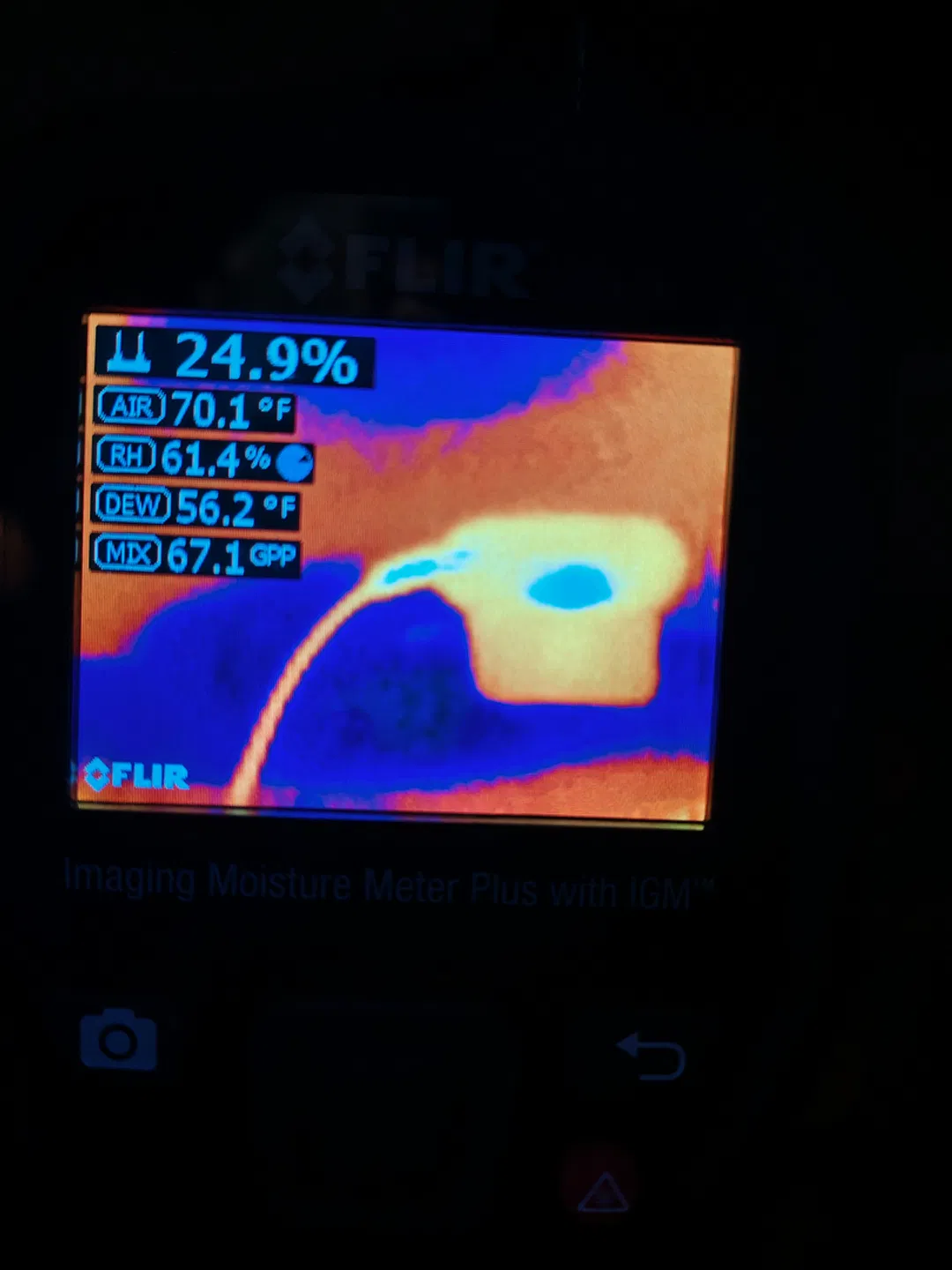
By pinpointing the exact source of the moisture, we stop the mold at its root. If you don't fix the water problem, the mold will be back before you can say "Labor Day." This is why we focus so heavily on water extraction and structural drying as the first steps of any mold job.
The Financial Reality: Catching it Early
I know, I know: calling a professional sounds expensive. But here is a secret that can save you thousands: A small mold problem is a "remediation" job; a big mold problem is a "renovation" job.
If you catch that "summer mustiness" early, the cost for professional remediation in Bucks County typically ranges from $1,300 to $3,700. However, if you ignore it and the mold starts eating into your floor joists or gets into your HVAC system, you could easily be looking at a $20,000+ bill.
Think of it like a cavity in your tooth. You can pay a little now to get it filled, or you can wait and pay a lot later for a root canal. Your home is the same way!
5 Steps to Fight "Summer Mustiness" Right Now
Don't wait for the smell to get worse. Here is what you can do today to protect your Bucks, Montgomery, or Chester County home:
Watch the Hygrometer: Buy a cheap digital hygrometer (you can find them for $10) and keep it in your basement. If the humidity goes above 50-55%, turn on a dehumidifier immediately.
Check Your Sump Pump: Summer storms in SEPA can be intense. Make sure your sump pump is working and consider a battery backup. We’ve written about sump pump insurance coverage before: it’s worth a read!
Clean Your Gutters: If water isn't moving away from your house, it's soaking into your foundation.
Service Your AC: Make sure the condensate lines are clear. A clogged line can dump gallons of water into your walls before you even notice.
Air it Out (Carefully): On dry days, use fans to keep air moving, but don't open windows if the outdoor humidity is higher than the indoor humidity!

When is it Time to Call the Heroes?
If you’ve tried the dehumidifier and the smell is still there, or if you actually see spots appearing on your ceiling or walls, it’s time to call in the experts. At My Water Damage Hero, we don’t just "clean" mold; we develop a specific protocol to ensure it doesn't come back.

We take pride in being a neighborly presence in our community. Whether you're in Berks, Delaware, or right here in Bucks County, we treat your home like it’s our own. We’ll walk you through the process, help you navigate insurance questions, and make sure your family is breathing clean air again.
Don’t let "summer mustiness" ruin your season. If something smells off, it probably is. Give us a shout! We’re available 24/7 for emergencies, and we’re always happy to answer questions.

Ready to clear the air? You can contact us here or learn more about our story and why we’re so passionate about helping SEPA families stay safe and dry.
Remember: your home is your sanctuary. Let's keep the "must" outside and the fresh air inside!
Comments