Looking for Water Damage Restoration in Chester County? Here Are 10 Things You Should Know Before the Next Big Storm
Living in Chester County means enjoying some of the most beautiful scenery in Pennsylvania: from the rolling hills of Kennett Square to the historic streets of West Chester. But let’s be real for a second: our weather can be unpredictable. Whether it’s a sudden summer downpour or a messy spring thaw, water has a way of finding its way into our basements and living rooms when we least expect it.
If you’ve ever stood in your basement with water up to your ankles, you know that heart-sinking feeling. It’s overwhelming, stressful, and honestly, a bit scary. But here’s the good news: you don't have to handle it alone. Before the next big storm rolls through SEPA, there are a few things you should know about water damage restoration that could save your home and your sanity.
1. The "Golden Window" is Smaller Than You Think
When it comes to water damage, time isn't just money: it’s the difference between a quick dry-out and a massive mold problem. You might think you can wait until the weekend to deal with that damp patch in the corner, but the clock starts ticking the second the water hits your floor.
In the restoration world, we talk about the 24-to-48-hour window. This is the timeframe where mold begins to colonize. If you can get the water out and the air moving within this window, your chances of avoiding professional mold remediation skyrocket. That’s why we emphasize the speed factor: why 3-hour response times save your floors. Every hour matters.
2. Your Shop-Vac Isn't Enough for a Flood
We love a good DIY project as much as anyone, but a flooded basement is one area where household tools usually fall short. A standard Shop-Vac is great for a spilled bucket, but it won’t pull water out of the padding under your carpet or the studs behind your drywall.
Professional water damage restoration teams use industrial-grade extractors and high-speed air movers. These aren't just big fans; they are engineered to create a specific airflow that pulls moisture out of porous materials. Without this industrial strength, you might think the room is dry, only to find warped floorboards or a musty smell a week later.

3. Not All Water is Created Equal
In our industry, we categorize water to determine how dangerous it is. This is crucial for your safety:
Category 1 (Clean Water): Think a broken supply line or a bathtub overflow. It’s "clean," but it can turn nasty quickly if left standing.
Category 2 (Gray Water): This might contain chemical or biological contaminants: think dishwasher or washing machine overflow.
Category 3 (Black Water): This is the dangerous stuff. We're talking about sewage clean up or rising floodwaters from a nearby creek. It’s gross, it’s hazardous, and it requires specialized gear and disinfecting protocols.
If you’re unsure what you’re dealing with, check out this guide on sewage backup vs water damage insurance coverage to see how your policy might handle different scenarios.
4. Hidden Moisture is the Real Enemy
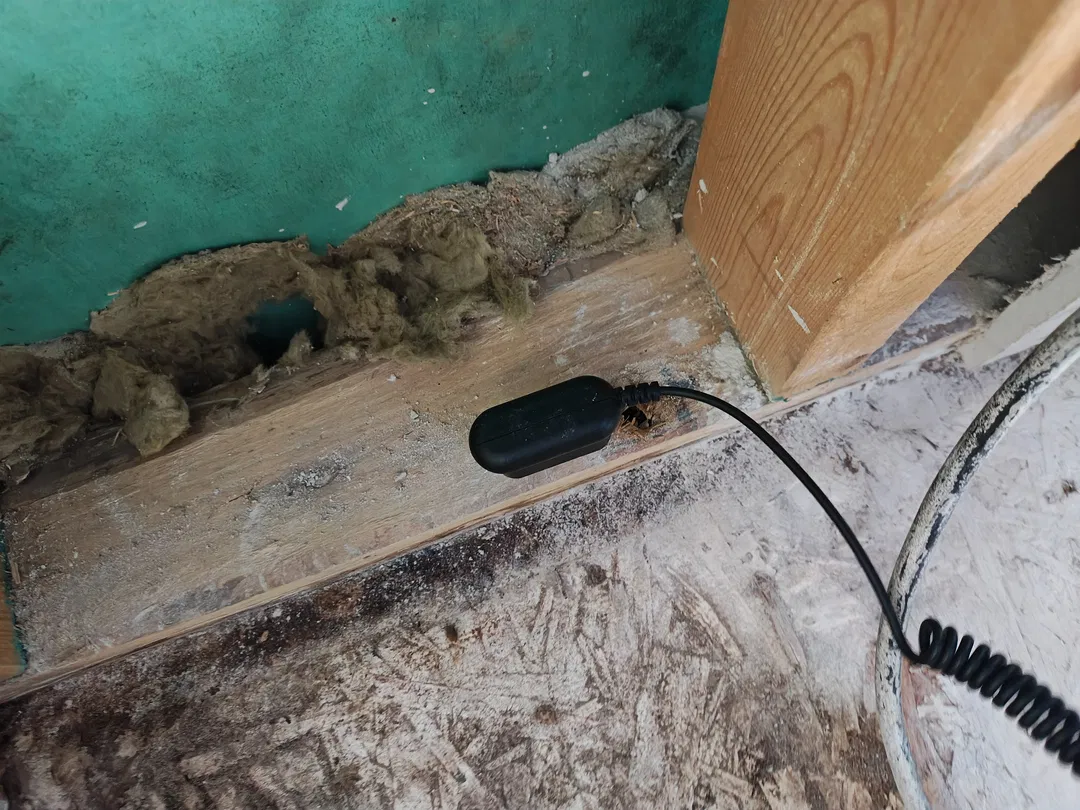
Just because you can't see the water doesn't mean it isn't there. Water is incredibly "sneaky." It travels through wall cavities, under baseboards, and into subfloors. This is where professional expertise really shines.
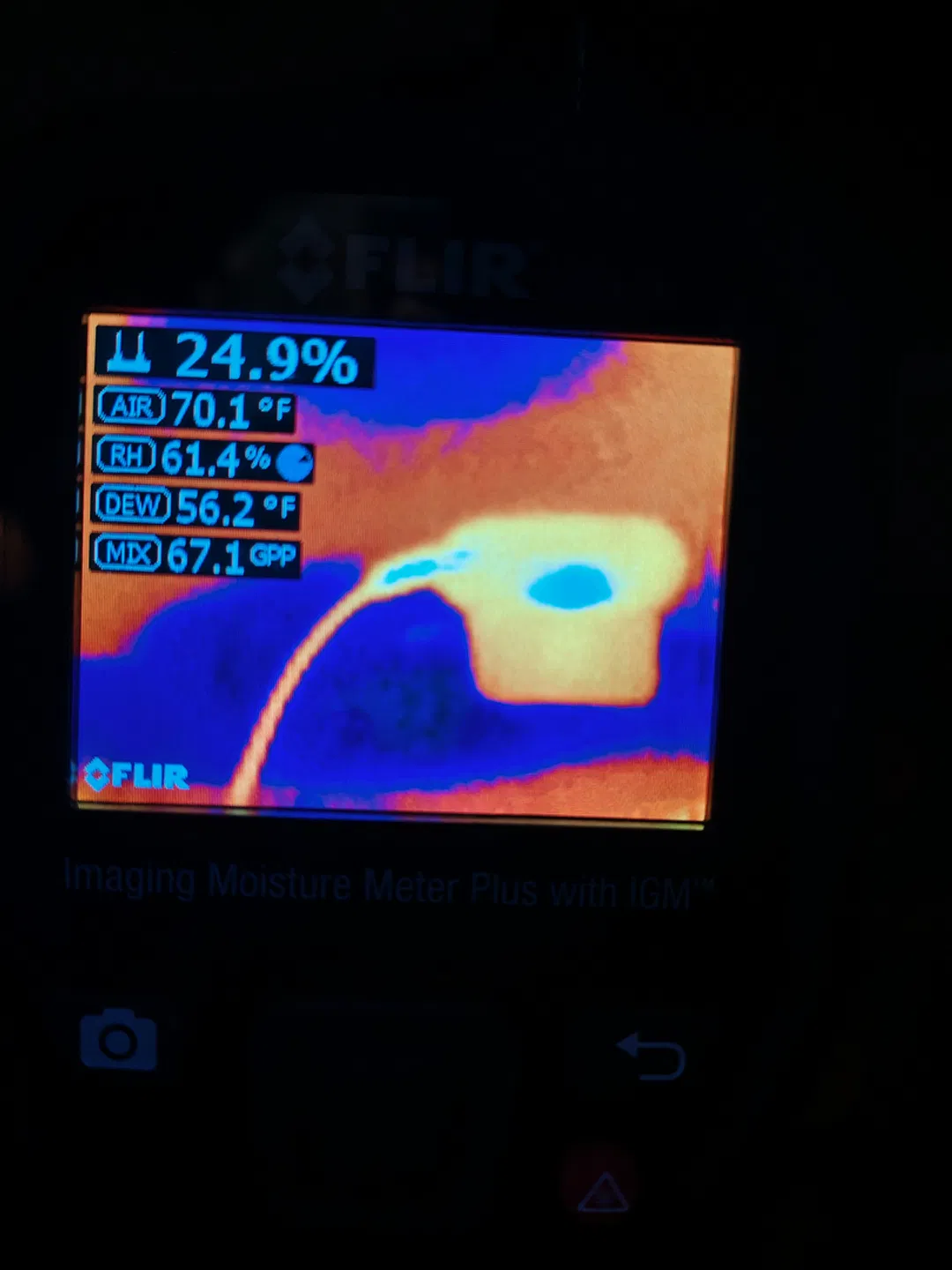
We use tools like infrared thermal imaging cameras to "see" behind your walls. These cameras detect temperature differences that indicate moisture. If we find a cold spot where it should be warm, we know there’s water hiding back there. We also use moisture meters to get a digital reading of how much water is trapped in your drywall or wood framing.
5. Mold Doesn’t Always Smell at First
Many Chester County homeowners assume they’ll smell mold if it’s there. While a musty, earthy odor is a classic sign, mold can grow silently behind wallpaper or inside ceiling tiles for a long time before the smell becomes obvious.
If you’ve had a leak and didn't have it professionally dried, you should be on high alert. Mold remediation isn't just about cleaning the surface; it’s about fixing the moisture source and safely removing the spores. You might want to brush up on how to choose the best mold testing service so you know what questions to ask if you suspect a problem.
6. Sump Pump Failures are a Leading Cause of Flooding
In SEPA, we rely heavily on our sump pumps, especially in older homes with finished basements. But during a big storm, two things often happen: the power goes out, or the pump simply gets overwhelmed.
If your pump fails, you’re looking at an emergency flood cleanup situation within minutes. We always recommend having a battery backup and testing your pump at least once a quarter. Are you making common mistakes? Take a look at these 7 mistakes you're making with sump pump maintenance.

7. Documentation is Your Best Friend for Insurance
Before you start throwing away soaked rugs or damaged furniture, grab your phone. Take photos. Then take more photos. Take videos. Your insurance adjuster needs proof of the damage to process your claim fairly.
Write down a list of everything that was touched by the water. When we arrive, we’ll also document the moisture readings and the drying process, which helps provide a "paper trail" for your insurance company. This documentation is a huge part of the ultimate guide to emergency flood cleanup.
8. Drying Usually Takes 3 to 7 Days
We often get asked, "When can I turn off these loud fans?" We get it: industrial air movers are noisy! But drying a structure is a science. Even if the carpet feels dry to the touch, the wood framing underneath might still be holding 20% moisture.
If you turn off the equipment too early, you're inviting rot and mold to move in. We monitor the moisture levels daily and won't pull the equipment until the house reaches its "dry standard." Patience here pays off in a big way for your home’s long-term health.
9. Prevention is a Daily Habit
You don't have to wait for a storm to protect your home. Some of the best water damage restoration tips are the ones you do every day. Checking the hoses on your washing machine, cleaning your gutters, and knowing where your main water shut-off valve is can prevent a disaster.
We’ve put together a 5-minute daily water damage prevention routine specifically for our neighbors in Chester and Delaware counties. It’s simple, quick, and can save you thousands of dollars in the long run.
10. You Need a Partner, Not Just a Vendor
When a disaster hits, you don't just want a guy with a truck; you want someone who understands the local area and the unique challenges of Pennsylvania homes. At My Water Damage Hero, we treat your home like it’s our own. We know the stress of seeing your property damaged, and we’re here to walk you through every step, from the first extraction to the final reconstruction.
Whether you're dealing with a burst pipe in the winter or a flooded basement after a spring storm, remember that help is just a phone call away. We offer 24/7 emergency response because we know that water doesn't wait for business hours.
Quick Recap for Chester County Homeowners:
Act Fast: You have about 24-48 hours before mold sets in.
Check the Source: Is it clean water or black water? (Safety first!)
Call the Pros: We have the FLIR cameras and moisture meters to find the hidden wet spots.
Document Everything: Photos and videos are key for your insurance claim.
Stay Prepared: Keep that sump pump maintained and your gutters clear.
Don’t let the next storm catch you off guard. If you’re worried about moisture in your home or need an immediate assessment, reach out. We’re your local Chester County neighbors, and we’re always ready to be your hero!
Comments