How to Create a Daily Home Safety Audit in 5 Minutes (Montgomery County Edition)
Life in Montgomery County moves fast. Whether you're commuting down 476, heading to work in King of Prussia, or just trying to get the kids to soccer practice in Lansdale, your "to-do" list is likely miles long. When life gets that busy, home maintenance usually falls to the bottom of the pile.
But here’s the reality: a small leak today can become a massive water damage restoration project by Thursday. A tiny bit of moisture in a dark corner can turn into a need for professional mold remediation faster than you can say "humid SEPA summer."
The good news? You don't need a weekend-long inspection to keep your home safe. You just need five minutes. By performing a "Daily Home Safety Audit," you can spot the red flags before they turn into expensive emergencies. Let’s dive into how you can protect your Montgomery County home with just a quick daily sweep.
Why Five Minutes Matters
Prevention is always cheaper than restoration. We see it every day at My Water Damage Hero: homeowners who wish they’d caught a dripping pipe or a failing sump pump just 24 hours earlier. A quick daily check keeps you in tune with your home’s "baseline." When you know what’s normal, you’ll notice the "abnormal" instantly: like that slight musty smell or a new water stain on the ceiling.
If you’re feeling overwhelmed by the idea of another chore, don’t worry! You can even pair this with a 5-minute daily water damage restoration prevention routine to make it even more efficient.
Step 1: The Alarm "Listen & Look" (1 Minute)
Montgomery County Fire & Rescue Service (MCFRS) is very clear: working smoke and carbon monoxide (CO) alarms are your first line of defense. You don’t need to climb a ladder every day, but you should perform a visual and auditory check.
Listen for the Chirp: If you hear a persistent beep or chirp, your battery is dying. Don’t ignore it or take the battery out "just for tonight." That’s when the worst happens.
Check the Light: Most modern alarms have a small green LED that shows they have power. A quick glance as you walk through the hallway is all it takes.
Clear the Path: Ensure nothing is covering your sensors. Dust, spiderwebs, or even holiday decorations can prevent an alarm from doing its job.
Step 2: Exit Strategy & Clear Paths (1 Minute)
In an emergency, every second counts. If you had to get out of your house in the dark because of a fire or a sudden emergency flood cleanup situation, could you do it safely?
Main Exits: Walk to your front and back doors. Are they blocked by piles of shoes, Amazon boxes, or heavy furniture? Clear them out.
Stairwell Safety: Montgomery County homes, especially the beautiful older ones in Pottstown or Norristown, often have narrow staircases. Keep them free of laundry baskets and toys.
Door Readiness: Ensure your deadbolts turn easily from the inside. If you need a key to get out of your own house, you might want to reconsider that lock for safety reasons.
Step 3: The Kitchen & Water Leak Sweep (1 Minute)
The kitchen is the heart of the home, but it’s also the primary source of fires and water damage.
The Stove Check: Physically look at the knobs. Are they all in the "off" position? Is there anything flammable (like a dish towel or a pizza box) sitting on the stovetop?
Under-Sink Inspection: Open the cabinet under your kitchen sink. Do you see any new drips? Feel the base of the cabinet. If it’s damp, you have a slow leak that could lead to rot or mold remediation needs if left alone.
The "Gas" Sniff: Do you smell sulfur or rotten eggs? If so, leave immediately and call 911.
Step 4: Heating, Electrical, & Seasonal Hazards (1 Minute)
Depending on the time of year, your hazards change. In the winter, we worry about space heaters and frozen pipes in Montgomery County. In the summer, it’s overloaded circuits from AC units.
Space Heaters: If you’re using one, ensure it’s unplugged when you leave the room. Keep it at least three feet away from curtains or bedding.
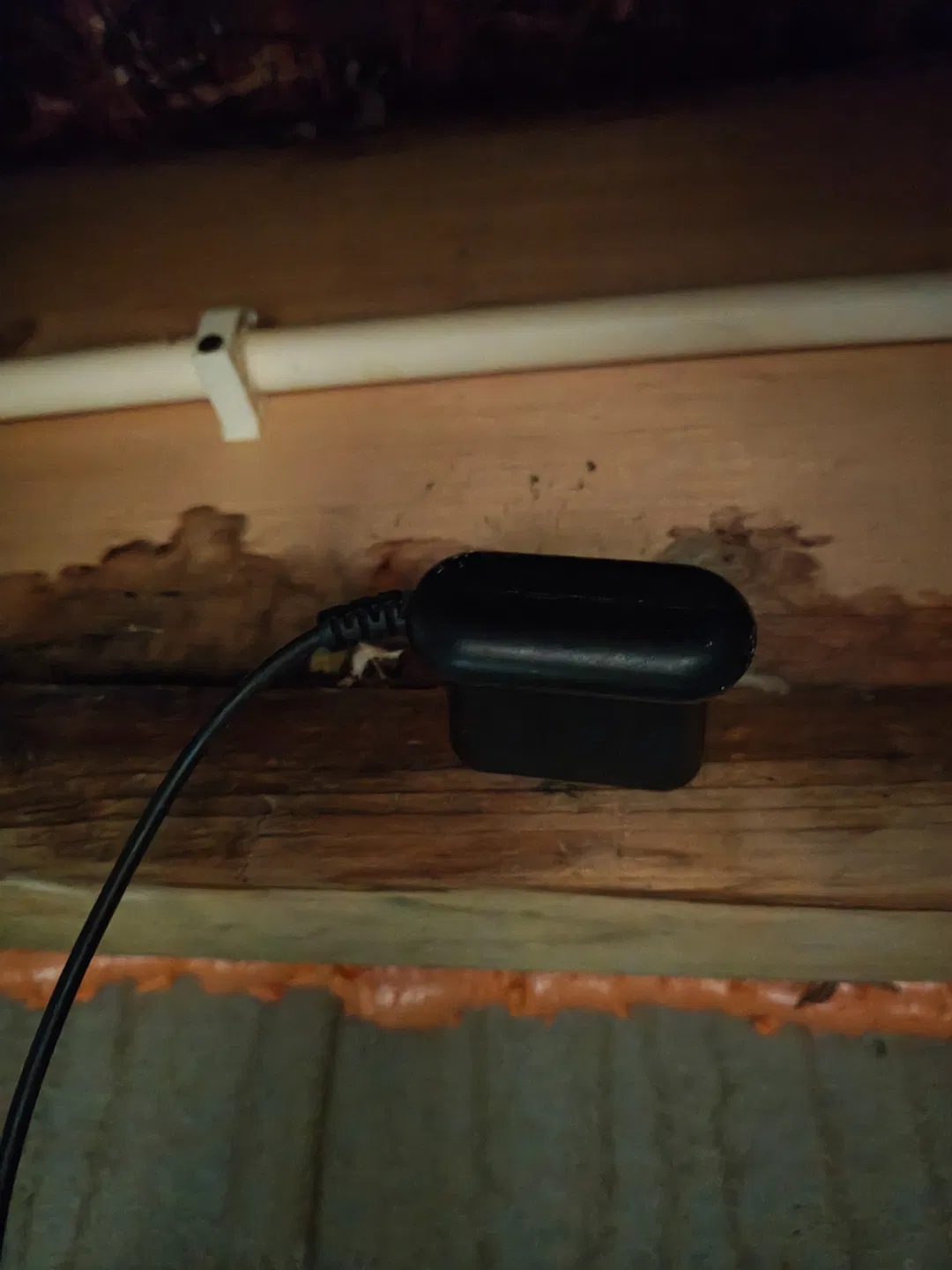
Cord Check: Take a quick look at your high-traffic outlets. Are they hot to the touch? Are cords pinched under rugs or furniture? This is a major fire hazard.
The "Wet Area" Glance: If you have a basement, take a peek down the stairs. Do you see any water reflecting off the floor? If you’ve had heavy rain lately, this is the time when you might need emergency flood cleanup if your defenses fail.
Step 5: Sump Pump & Security "Last Look" (1 Minute)
For many of us in SEPA, the basement is where the real trouble starts. Between the humidity and the high water table, your sump pump is the MVP of your home.
Listen to the Pump: If it’s raining, you should hear that reassuring "thump" of the pump working. If it’s silent while the rain is pouring, you might have a problem.
Check the Basin: If you can see the sump pit, make sure there’s no debris floating in there that could clog the intake. For more tips on this, check out our guide on sump pump maintenance mistakes to avoid.
Lock Up: Check that your ground-level windows and doors are secure. A safe home is a locked home.

When the Audit Reveals a Problem
So, what happens if your 5-minute audit actually finds something? First, don't panic. Finding it now is a victory!
If you find a small puddle under the water heater, you’ve saved yourself from a 50-gallon flood later tonight. If you smell something musty in the basement, you’ve caught a mold colony before it could spread through your HVAC system.
When to Call the Pros
Some things are easy DIY fixes: like tightening a loose pipe joint or replacing a smoke detector battery. But other situations require industrial-strength help:
Standing Water: If you walk into your basement and see an inch of water, you need emergency flood cleanup immediately.
Visible Mold: If you see fuzzy black or green spots on your drywall, don't just bleach it. You likely need professional mold remediation to ensure the spores don't spread.
Sewage Backups: If water is coming up through your drains, stop using the water and call us for sewage clean up. This is a biohazard situation that requires specialized equipment.
Major Leaks: If a pipe bursts, turn off your main water valve and call for water damage restoration services. The faster we get our drying equipment in place, the more of your property we can save.

Making it a Habit
The best way to ensure this happens is to attach it to a habit you already have. Maybe you do your "safety sweep" right after you lock the front door for the night, or right after you feed the dog in the morning.
By making this part of your daily routine, you aren't just protecting your house; you're protecting your family and your peace of mind. Montgomery County is a beautiful place to live, and keeping your home safe and dry is the best way to enjoy everything our area has to offer.
If you ever find a problem that's too big to handle alone, remember that My Water Damage Hero is right here in your neighborhood, ready to help 24/7. Whether it's a storm-flooded basement or a hidden mold issue, we have the tools and the expertise to get your life back to normal.
Stay safe out there, Montco!
Comments