Your Guide to Effective Mold Removal
- info603880
- Dec 22, 2025
- 4 min read
Updated: Jan 6
Understanding Mold and Why Quick Action Matters
Mold is a type of fungus that thrives in damp, warm environments. It can grow on walls, ceilings, carpets, and even inside HVAC systems. The tricky part is that mold often hides behind surfaces or in places you might not expect. If left untreated, mold can spread quickly and cause structural damage or trigger allergies and respiratory problems.
Think of mold like weeds in a garden. If you pull them out early, you prevent them from taking over. But if you wait too long, they spread roots deep into the soil, making removal much harder. That’s why acting fast is key.
What Causes Mold Growth?
Excess moisture from leaks or flooding
Poor ventilation in bathrooms, kitchens, or basements
High indoor humidity levels
Water damage from storms or plumbing issues
Identifying and fixing these sources is the first step in stopping mold from coming back.
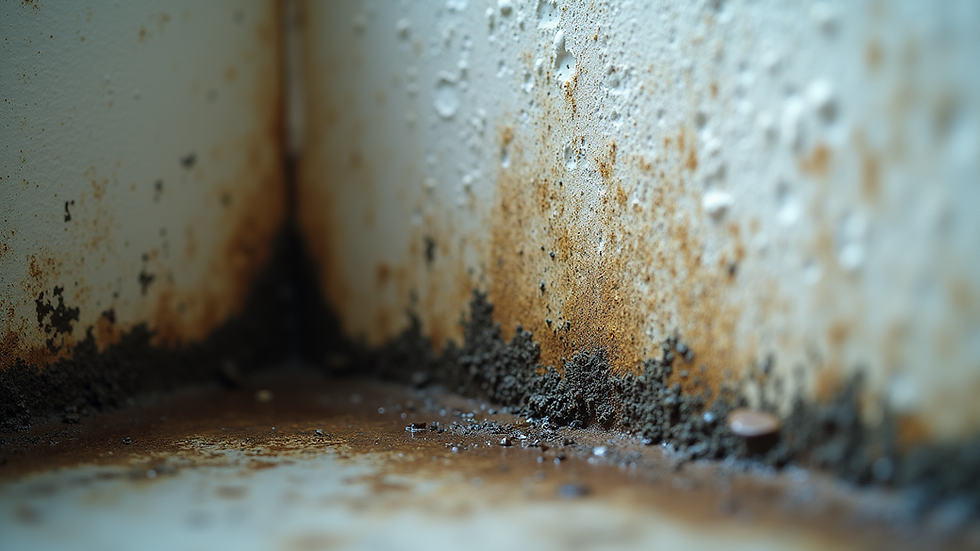
Mold Removal Steps: A Practical Guide
Let’s break down the mold removal steps into manageable parts. Whether you’re dealing with a small patch or a larger area, these steps will help you get started safely and effectively.
Step 1: Assess the Situation
Before you jump in, take a good look at the affected area. How big is the mold patch? Is it on a hard surface or porous material like drywall or carpet? Small patches (less than 10 square feet) can often be handled by homeowners, but larger infestations usually require professional intervention.
Step 2: Protect Yourself
Mold spores can irritate your skin, eyes, and lungs. Always wear protective gear:
Gloves (rubber or nitrile)
N95 respirator mask or better
Safety goggles
Long sleeves and pants
Ventilate the area by opening windows and doors if possible.
Step 3: Contain the Mold
To prevent spores from spreading to other parts of your home or business, seal off the affected area. Use plastic sheeting and tape to cover doorways and vents. Turn off HVAC systems to avoid circulating spores.
Step 4: Remove Moldy Materials
Porous materials like drywall, ceiling tiles, and carpets that are heavily infested usually need to be removed and discarded. Non-porous surfaces such as glass, metal, and hard plastics can be cleaned.
Step 5: Clean and Disinfect
Use a detergent solution or a commercial mold cleaner to scrub mold off hard surfaces. Avoid using bleach on porous materials, as it may not penetrate deeply enough to kill mold roots.
After cleaning, apply an EPA-registered fungicide or mold inhibitor to prevent regrowth.
Step 6: Dry the Area Thoroughly
Moisture is the root cause of mold, so drying is critical. Use fans, dehumidifiers, and increase ventilation to remove all dampness. Check for hidden moisture behind walls or under floors.
Step 7: Repair and Restore
Once the mold is gone and the area is dry, repair any damage. Replace drywall, repaint with mold-resistant paint, and fix leaks or ventilation issues to prevent future problems.

Can You Remediate Mold Yourself?
This is a question I hear a lot. The answer depends on the size and severity of the mold problem.
If you spot a small patch of mold on a non-porous surface, you can often handle it yourself by following the mold removal steps above. Just be sure to take safety precautions seriously.
However, if the mold covers a large area (more than 10 square feet), or if it’s inside your HVAC system, walls, or ceiling, it’s best to call in professionals. Mold can hide in places you can’t see, and improper removal can make the problem worse.
Also, if you or anyone in your household has respiratory issues, allergies, or a weakened immune system, professional mold remediation is the safer choice.
Remember, professional teams have specialized equipment and training to identify the full extent of mold damage and ensure it’s completely removed.
Preventing Mold: Tips to Keep Your Property Safe
After you’ve dealt with mold, prevention is the next step. Here are some practical tips to keep mold from coming back:
Fix leaks promptly: Check roofs, pipes, and windows regularly.
Control humidity: Keep indoor humidity below 60%. Use dehumidifiers in damp areas.
Improve ventilation: Use exhaust fans in bathrooms and kitchens.
Clean regularly: Pay attention to areas prone to moisture buildup.
Use mold-resistant products: When renovating, choose mold-resistant drywall and paint.
Monitor your property: After storms or flooding, inspect for water damage immediately.
Taking these steps can save you time, money, and stress down the road.
Why Choose Professional Mold Remediation Services?
Sometimes, the best way to protect your home or business is to bring in experts. Professional mold remediation companies offer:
Comprehensive inspections: They find hidden mold and moisture sources.
Advanced equipment: HEPA vacuums, air scrubbers, and moisture meters.
Safe removal: Proper containment and disposal of moldy materials.
Restoration services: Repair and rebuild damaged areas.
Peace of mind: Certified technicians ensure the job is done right.
If you want to learn more about trusted mold remediation services, consider reaching out to local specialists who understand your region’s climate and challenges.
Taking the First Step Toward a Mold-Free Space
Dealing with mold can feel daunting, but it doesn’t have to be. By understanding the mold removal steps and knowing when to call in professionals, you can protect your property and health. Remember, mold is a problem that grows quietly but can be stopped with timely action.
If you ever face water damage or mold issues, don’t hesitate to act quickly. Your home or business deserves a safe, clean environment—and with the right approach, you can get back on your feet faster than you might think.
Stay vigilant, stay safe, and keep your space mold-free!
Conclusion: Your Path to a Healthier Environment
In conclusion, mold removal is not just about cleaning; it's about creating a safe and healthy environment. By following the steps outlined above, you can effectively manage mold issues and prevent future growth. Remember, quick action is essential. If the problem seems too big, don’t hesitate to call in the experts. They have the tools and knowledge to handle even the toughest mold challenges.
Taking care of your space is a priority. With diligence and the right resources, you can ensure your home or business remains mold-free. Let’s work together to keep our environments safe and healthy!
Comments