Boost Your Home Safety Instantly with These 5 Water Damage Restoration Tips for Bucks County Families
- info603880
- Apr 17
- 5 min read
Hey there, neighbor! If you’re reading this, you might be standing in a few inches of water in your Doylestown basement, or maybe you’re just a proactive homeowner in Levittown trying to keep your family safe. Either way, take a deep breath. Dealing with water in your home is incredibly stressful, and it’s okay to feel a bit overwhelmed.
At My Water Damage Hero, we see it all the time. Whether it's a burst pipe, a sump pump failure after a heavy PA storm, or a sneaky leak that’s been growing for weeks, water damage doesn't care about your weekend plans. But here’s the good news: you don’t have to handle it alone. We’re here to turn that "oh no" moment into a "we got this" moment.
Bucks County is a beautiful place to live, but from the humidity in the summer to the frozen pipes in the winter, our homes take a beating. To help you protect your biggest investment, we’ve put together five essential tips to boost your home safety and handle water restoration like a pro.
1. The "Golden Window": Why Speed is Everything
When it comes to water damage restoration, time is your biggest enemy. We often talk about the "Golden Window": the first 24 to 48 hours after water enters your home. This is the critical timeframe where you can prevent a bad situation from becoming a total disaster.
If water sits for too long, it starts to seep into your drywall, wick up into your baseboards, and soak into the subflooring. This isn't just about structural damage; it’s about your family's health. Standing water is a breeding ground for bacteria and mold.
What you can do right now:
Find the source: If it's a burst pipe, shut off the main water valve immediately.
Call for help: Even if you think you’ve mopped it all up, professional emergency flood cleanup is the only way to ensure the moisture deep inside your walls is gone.
Stay safe: Never walk into a flooded room if the electricity is still on. Safety first, always!

2. Look Beyond the Surface (Hidden Moisture)
Here’s a secret that many homeowners in Montgomery and Bucks counties don't realize: just because a wall feels dry to the touch doesn't mean it is dry. Water is sneaky. It loves to hide behind cabinets, under hardwood floors, and inside insulation.
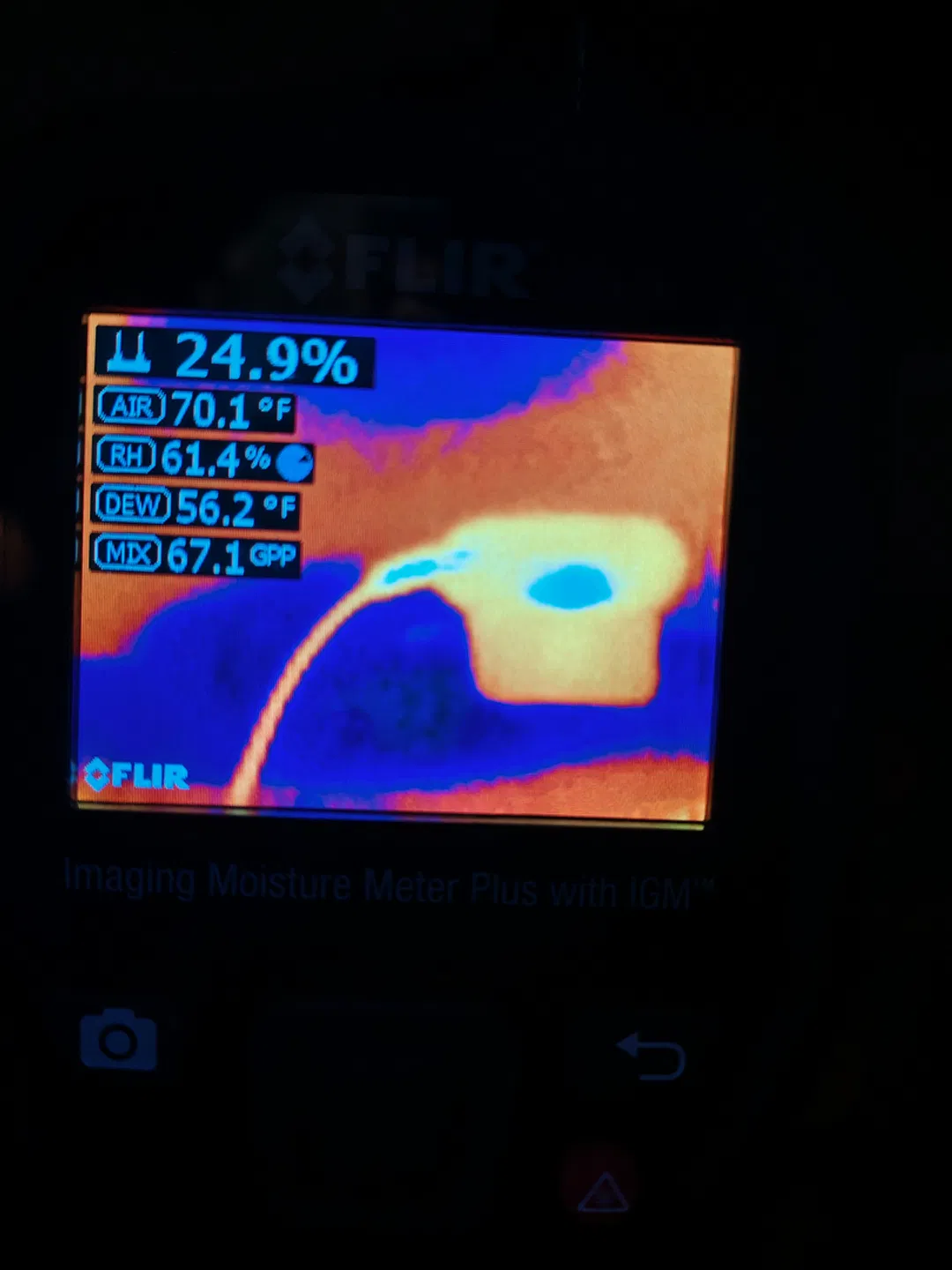
If you skip the deep-drying process, you’re basically leaving a "welcome" mat out for mold. We use specialized tools like FLIR thermal imaging cameras and moisture meters to "see" through your walls. These tools tell us exactly where the water is hiding so we don't have to guess.
The DIY check: Check for "soft spots" in your drywall or a musty, earthy smell. If you notice your baseboards are starting to pull away from the wall or look slightly warped, you likely have hidden moisture that needs water extraction and professional drying.
3. Don’t Let Mold Become Your New Roommate
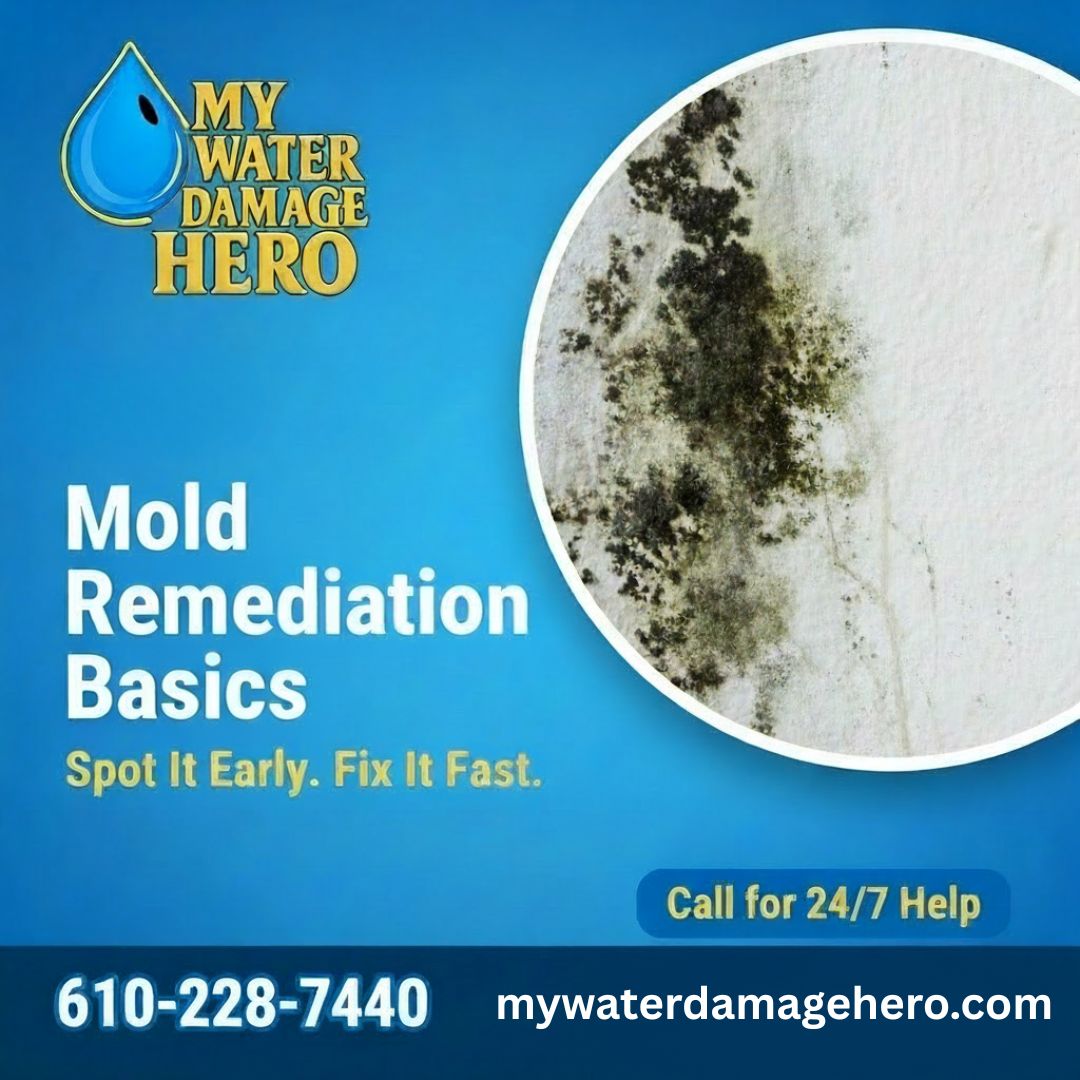
In our neck of the woods, mold remediation is a common necessity because of our climate. If water isn't addressed within that 48-hour window we mentioned, mold spores start to colonize. Once they take root, they can spread through your HVAC system and affect the air quality of your entire home.
Mold isn't just an ugly stain on the wall; it can cause respiratory issues, especially for kids and seniors. If you see fuzzy patches of black, green, or white, don't try to scrub them with bleach. Bleach often just kills the surface mold and leaves the "roots" alive in porous materials like wood or drywall.
Pro Tip: To prevent mold after a leak, keep the air moving. If it’s safe, open windows and use high-powered fans. However, standard household fans usually aren't enough for a big flood. You need industrial-grade dehumidifiers to pull the moisture out of the air. You can read more about why local rainfall makes this so urgent in our post about mold remediation in Berks County.
4. Know Your "Water Categories"
Not all water is created equal. In the restoration world, we categorize water to determine how dangerous it is.
Category 1 (White Water): Clean water from a broken supply line or a leaking faucet. It’s relatively safe but can degrade quickly.
Category 2 (Gray Water): This might contain chemicals or contaminants. Think of a washing machine overflow or a dishwasher leak. It’s not pleasant and can make you sick.
Category 3 (Black Water): This is the "big bad." This includes sewage backups or rising floodwaters from a nearby creek. It contains bacteria, viruses, and other nasty stuff.
If you are dealing with a backup, you need professional sewage clean up immediately. Do not try to clean this yourself with a shop vac. The risk of infection is too high for you and your family. We have the protective gear and the antimicrobial treatments needed to make your home safe again.
5. Prevention is the Ultimate Hero Move
We love helping our neighbors in Bucks, Delaware, and Chester counties, but we’d much rather you never have to call us in an emergency! A little bit of prevention goes a long way in boosting your home safety.
Your Home Safety Checklist:
Check your sump pump: Especially before those big spring rainstorms. Pour a bucket of water in to make sure it kicks on.
Inspect appliance hoses: Check the lines behind your washing machine and refrigerator. If they look cracked or worn, swap them out for braided stainless steel hoses.
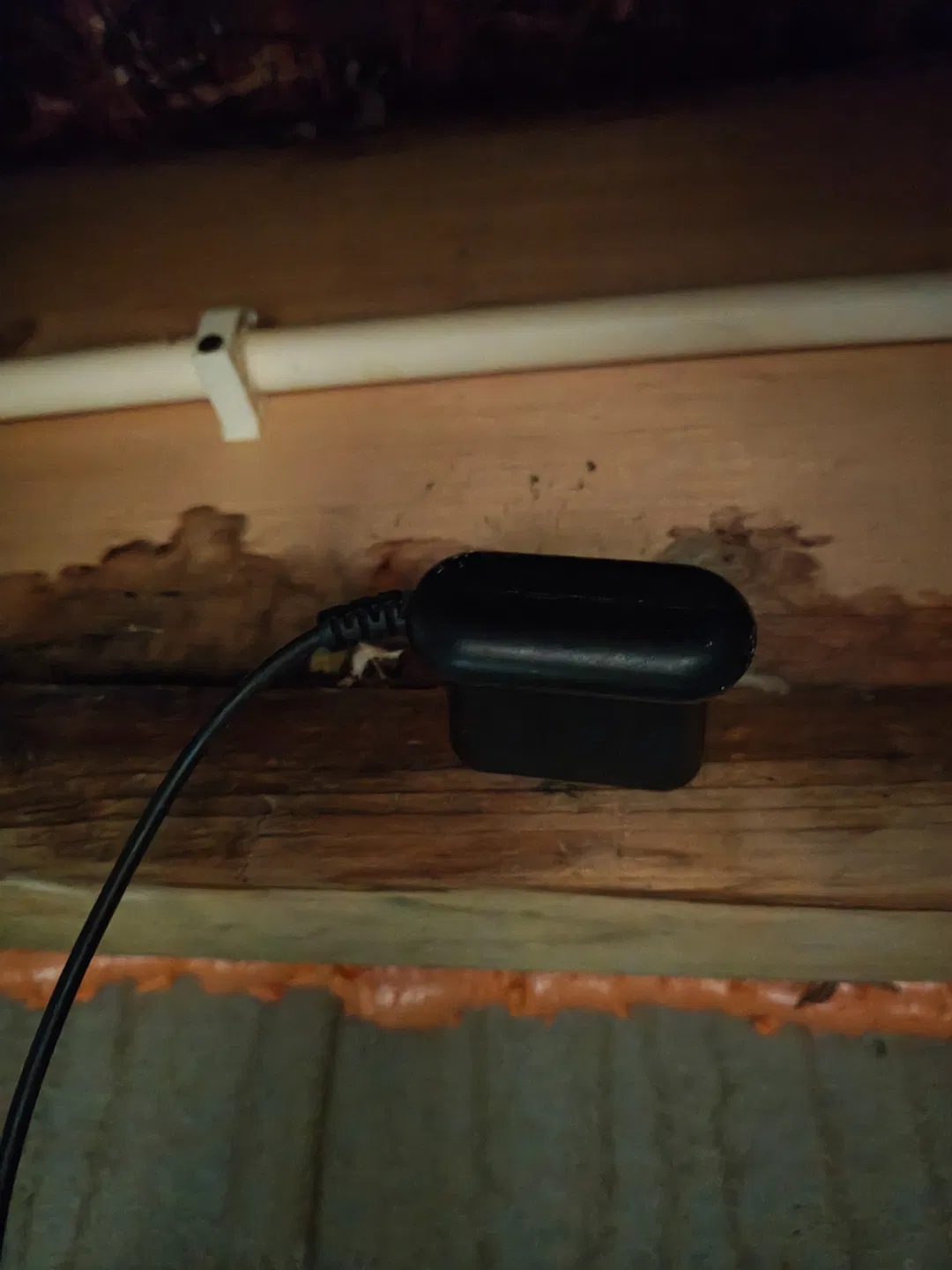
Install water sensors: These are life-changers. Small sensors placed near your water heater or under the sink can alert your phone the second they detect moisture.
Clean your gutters: When gutters are clogged, water overflows and pools around your foundation, which is the #1 cause of basement seepage.
For more quick tips, check out our guide on creating a 5-minute leak check routine.
Why Bucks County Families Trust My Water Damage Hero
We know you have choices when it comes to home services. But we aren't just a big franchise; we’re your neighbors. We understand the specific challenges of homes in this area: from the historic stone houses in Newtown to the modern builds in Quakertown.
When you call us, you aren't just getting a technician; you're getting a team that cares about getting your life back to normal. We work quickly to minimize the disruption to your family, and we’re experts at navigating the insurance process so you don't have to stress about the paperwork.
Summary of What to Do Now:
Stay Calm: Panic leads to mistakes. Assess the situation safely.
Stop the Flow: Turn off the water if you can.
Protect Your Stuff: Move furniture and electronics out of the wet area.
Document: Take photos for your insurance company before any work begins.
Call the Experts: Reach out to My Water Damage Hero for a professional assessment.
Whether you need water damage restoration, mold remediation, or just some friendly advice on a damp corner in your basement, we’re here for you 24/7. Your home is your sanctuary, and we’re committed to helping you keep it that way.
Stay dry, stay safe, and remember: you’ve got a hero in your corner!

Comments