Are You Making These Common Emergency Flood Cleanup Mistakes? (A Survival Guide for Montgomery County Families)
Waking up to a flooded basement or a soggy living room is enough to make anyone panic. Whether it’s a burst pipe in Norristown, a sump pump failure in Lansdale, or a heavy spring storm rolling through the Schuylkill Valley, the sight of standing water in your home is overwhelming.
When the water starts rising, your first instinct is to grab a mop and start digging in. We love that "can-do" spirit! But here's the thing: in the heat of the moment, it’s incredibly easy to make a few small mistakes that lead to huge, expensive headaches down the road.
If you’re currently dealing with a mess, take a deep breath. You’ve got this! We’re here to help you navigate the chaos. Let’s walk through the most common emergency flood cleanup mistakes Montgomery County families make, and how you can avoid them to keep your home safe and dry.
1. Waiting to "See If It Dries Out on Its Own"
This is probably the number one mistake we see. You might think, "It’s just a little damp, I’ll open the windows and it’ll be fine by tomorrow."
In our humid Pennsylvania climate, especially during the wet months of May and June, water doesn't just disappear. It lingers. Mold can begin to colonize in as little as 24 to 48 hours. By the time you notice a musty smell, the damage is already done. Waiting also gives water time to seep into your subflooring and wick up your drywall.
The Hero Move: Start the water damage restoration process immediately. Every hour you wait, the restoration cost goes up. If you can’t get it bone-dry within a day, it’s time to call in the pros.
2. Forgetting That Safety Comes First
We know you want to save your belongings, but your safety is way more important than a soaked rug. Walking into a flooded basement can be incredibly dangerous for a few reasons:
Electrocution: If the water level has reached your outlets or extension cords, that water could be "live."
Contaminants: Floodwater isn't just tap water. It often carries bacteria, chemicals, and even raw sewage.
Structural Issues: Heavily soaked drywall can collapse, and saturated floors can become unstable.

The Hero Move: Never enter a flooded area until you are 100% sure the power is off at the breaker. Wear rubber boots and gloves, and if you smell gas or see shifting walls, get out of the house immediately and call for help.
3. Underestimating the "Category" of Water
Did you know that pros classify water into three categories?
Category 1 (Clean Water): From a broken supply line or a leaking faucet.
Category 2 (Gray Water): From a dishwasher or washing machine. It might have some "gunk" in it.
Category 3 (Black Water): This is the nasty stuff. Think sewage clean up, rising river water, or sump pump backups.
Treating black water like clean water is a recipe for a health crisis. If you try to DIY a sewage backup with a standard shop-vac, you're basically spreading pathogens all over your home.
The Hero Move: If the water came from the ground, the sewer, or has been sitting for more than 24 hours, treat it as contaminated. This usually requires professional-grade disinfectants and specialized flood clean up techniques.
4. Only Drying What You Can See
If you’ve ever spilled a drink on a wooden table, you know the water hides in the cracks. Now imagine that on a house-wide scale. Water is sneaky. It loves to hide:
Behind your baseboards.
Under your laminate or hardwood flooring.
Inside your wall cavities and insulation.
Just because your carpet feels dry to the touch doesn't mean your subfloor isn't soaking wet. If you leave that hidden moisture, you're basically building a "mold hotel" inside your walls.
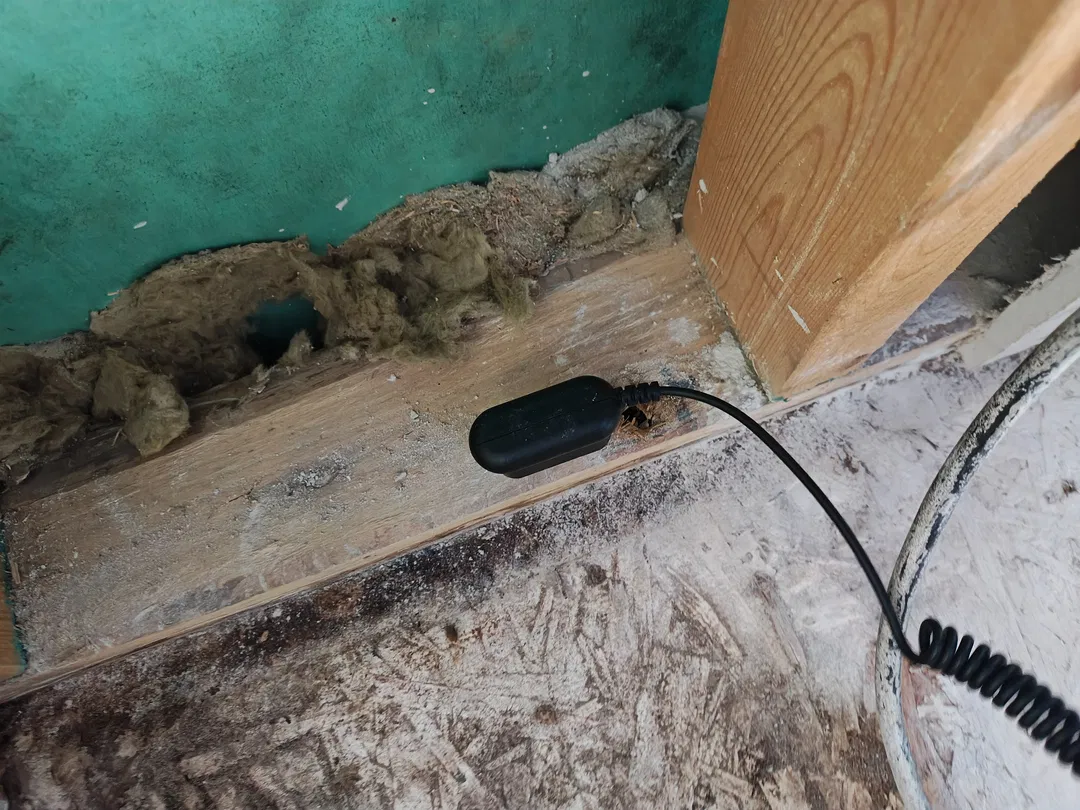
The Hero Move: Use a moisture meter! If you don't have one, keep an eye out for peeling paint, warped trim, or that tell-tale "basement smell." If you're in Chester or Bucks County and suspect hidden water, a professional moisture assessment can save you from a future mold remediation nightmare.
5. Relying on Box Fans and Open Windows
We love a good breeze as much as anyone, but a standard box fan from the local hardware store isn't going to cut it for a flood. These fans move air, but they don't remove moisture. In fact, if the air outside is humid, opening the windows might actually make your house wetter!
Professional water extraction involves a balance of high-velocity air movers and LGR (Low Grain Refrigerant) dehumidifiers that literally pull the water out of the air and the building materials.

The Hero Move: If you're tackling a small leak, use the biggest dehumidifier you can find and keep the area sealed off from the rest of the house. For anything larger than a small spill, you’ll need industrial-strength equipment to prevent structural rot.
6. Trying to "Save" Porous Materials
It’s hard to say goodbye to your favorite basement couch or the plush carpet you just installed last year. But porous materials: like carpet padding, drywall, and unfinished wood: act like sponges. Once they’ve been soaked with Category 2 or 3 water, they are almost impossible to fully sanitize.
Keeping these items often leads to persistent odors and, you guessed it, mold.
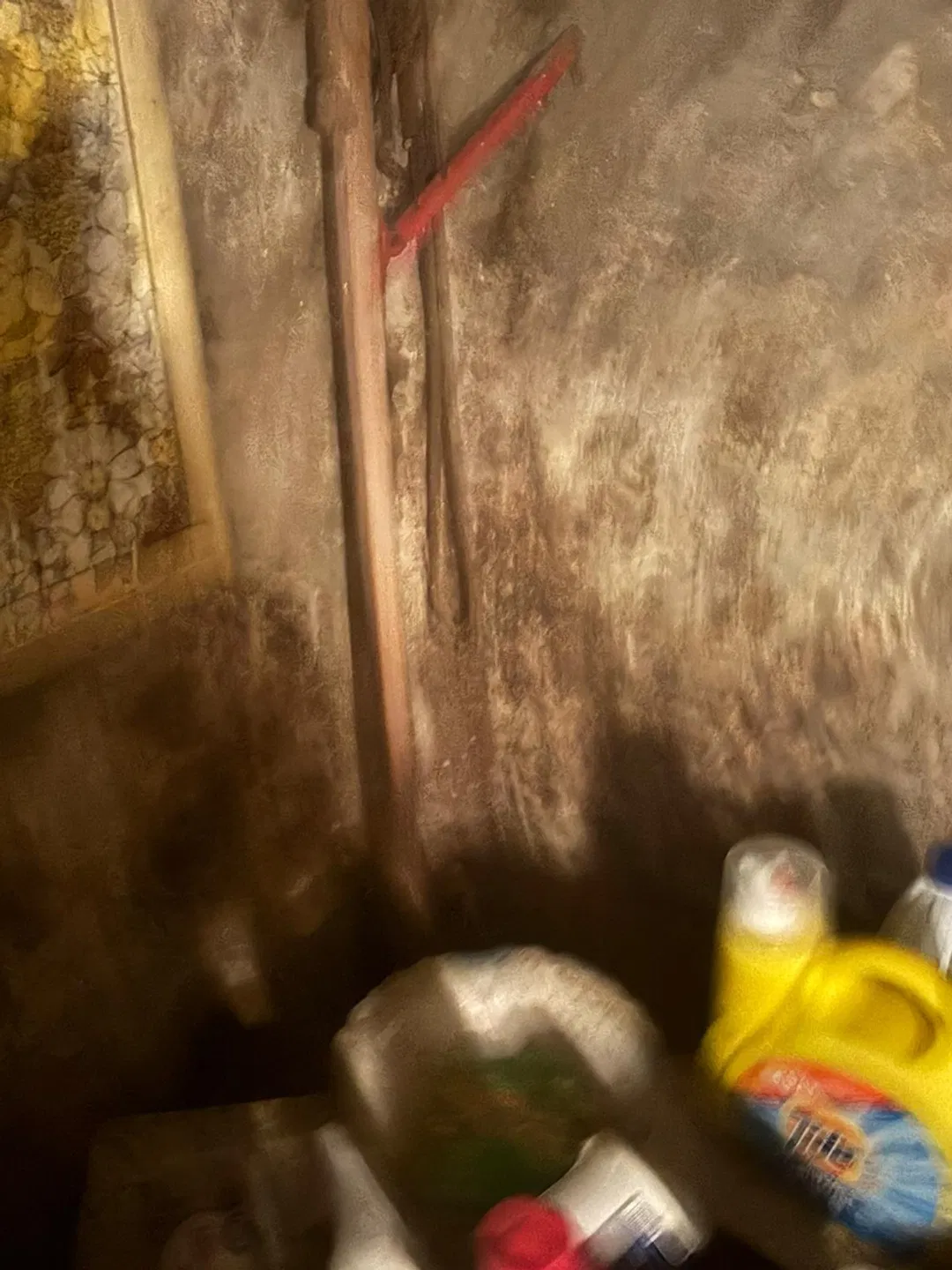
The Hero Move: Be ruthless. If the carpet padding is soaked, rip it out. If the drywall is soft or wicking water, cut it out at least 12 inches above the water line. It’s much cheaper to replace a few sheets of drywall now than to do a full-scale mold teardown later. You can find more tips on this in our guide for Berks County homeowners.
7. Starting Repairs Before Everything Is Dry
We get it: you want your life back to normal. The temptation to patch that hole in the drywall or lay down new flooring the moment the water is gone is huge. But if you seal up a wall while the studs are still damp, you are trapping moisture.
The Hero Move: Be patient! Professional restorers use "dry standards" to ensure that the internal structure of your home is back to its normal moisture content before a single nail is driven. Don't rush the process; your home's structural integrity depends on it.
8. Failing to Document for Insurance
When the water is coming in, taking pictures is usually the last thing on your mind. But for your insurance claim, those photos are worth their weight in gold. If you throw away your ruined belongings before the adjuster sees them or before you have photographic proof, you might not get reimbursed.
The Hero Move: Before you start the water removal, take a video walking through the damage. Take close-up photos of "water lines" on the walls and keep a list of every item you have to toss.
9. Not Fixing the "Why"
Cleaning up the mess is great, but if you don't fix the source, you'll be doing this all over again during the next Nor'easter. Was it a clogged gutter? A frozen pipe? Or maybe your sump pump just reached the end of its life?
The Hero Move: Once the area is dry, investigate. Check your grading, clear your downspouts, and maybe invest in a battery-backup sump pump. Prevention is the best restoration tool there is!
Need a Hero? We’re Right Around the Corner
Dealing with a flood is stressful, but you don't have to do it alone. Whether you're in Delaware County, Bucks, or right here in Montgomery County, My Water Damage Hero is ready to jump into action. We specialize in fast, friendly, and professional emergency flood cleanup so you can get back to what matters most.
Don't let a small mistake turn into a big disaster. If you're feeling overwhelmed, just give us a shout. We're here 24/7 to help you save the day!

Ready to get your home back to normal? Contact us today for a free assessment!
Comments