7 Mistakes You’re Making with Your Home’s Drainage (and How to Fix Them to Avoid Water Damage Restoration in Bucks County)
- info603880
- Apr 20
- 6 min read
Hey there, Bucks County neighbor! Let’s be real for a second. Owning a home in our beautiful corner of Pennsylvania is a dream, but sometimes that dream feels a little... damp. Between our humid summers and those sudden spring downpours, our houses take a beating.
If you’ve ever walked into your basement after a storm and felt that tell-tale "squish" under your feet, you know the panic. It’s overwhelming, right? Your mind immediately jumps to expensive water damage restoration and the headache of calling insurance.
But here’s the thing: many of the biggest water disasters we see at My Water Damage Hero start with small, avoidable drainage mistakes. We’re all busy, and it’s easy to let things slide, but a few tweaks to your routine can save you thousands.
Let’s dive into the seven most common drainage blunders homeowners make and, more importantly, how you can fix them before they turn into an emergency.
1. Relying on Chemical Drain Cleaners for Everything
We get it. A slow sink is annoying. It’s tempting to grab that bright blue bottle from the grocery store, pour it down, and hope for the best. But if you’re doing this regularly, you might be eating away at your pipes from the inside out.
Chemical cleaners are incredibly harsh. They generate heat and use caustic reactions to melt hair and grease. Over time, this weakens your pipe walls and joints. If you have an older home in Doylestown or Perkasie with original plumbing, those chemicals can lead to a major pipe burst behind your walls.
The Fix: Put the chemicals down. Use a simple plastic "zip" tool or a plunger first. For stubborn clogs, a mixture of baking soda and vinegar followed by boiling water often does the trick without the corrosion. If that doesn't work, it’s time to call in the pros for a safe drain clearing.
2. Overtightening Your Pipe Fittings
If you’re a DIY enthusiast, you might think "tighter is better" when it comes to plumbing. When you see a little drip under the kitchen sink, your instinct is to grab the wrench and give it one more good crank.
Stop right there! Most modern plumbing fittings use compression to create a seal. When you overtighten them, you can actually crack the plastic fittings or misshape the rubber washers. What started as a tiny drip can turn into a midnight flood because the fitting finally gave out.
The Fix: Hand-tighten your fittings first, then give them just a quarter-turn more with a wrench. If it still leaks, the problem is likely a worn-out washer or a misaligned pipe, not a lack of force.
3. Letting Gutters "Dump" Near the Foundation
This is a huge one in Bucks County because of our soil. We have a lot of clay in our ground. Clay is great for pottery, but it’s terrible for drainage. It holds onto water like a sponge and expands when wet.
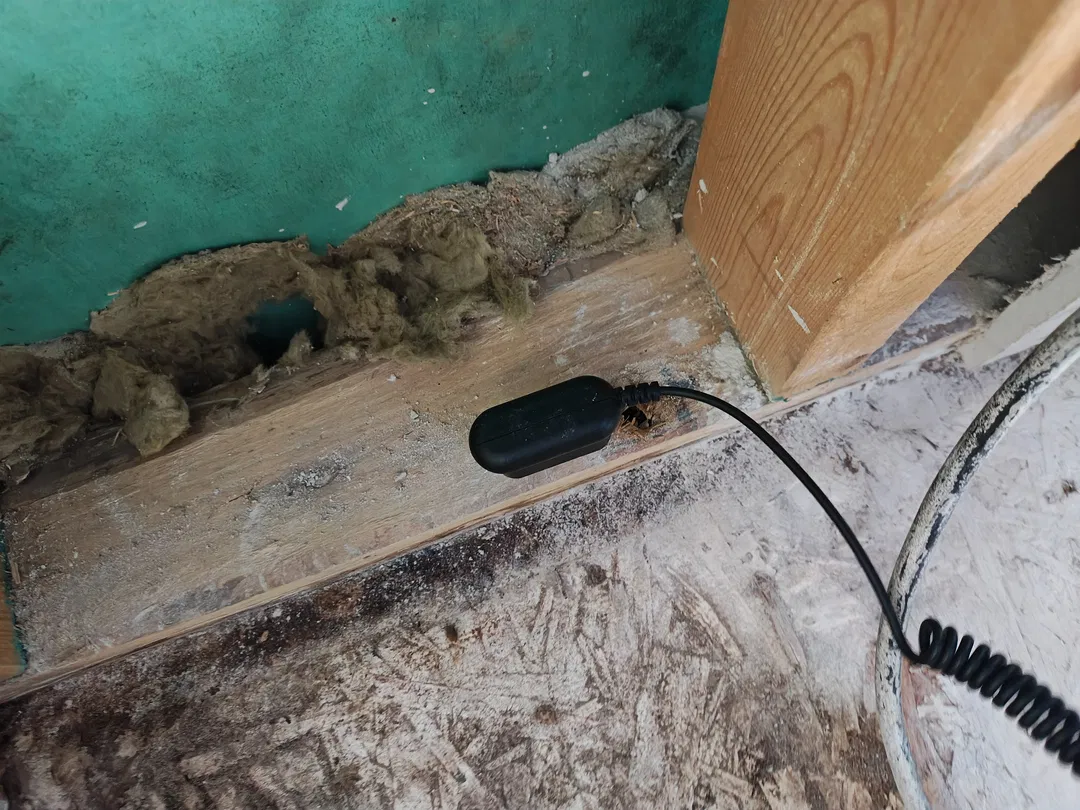
If your downspouts end right at the corner of your house, all that roof water is being dumped directly into the soil next to your foundation. This creates "hydrostatic pressure," which literally pushes water through the tiny pores in your concrete basement walls. Before you know it, you’re looking at mold remediation because of the constant moisture.
The Fix: Extend those downspouts! You want the water to discharge at least 5 to 10 feet away from your foundation. You can use simple plastic extensions or, for a cleaner look, have them buried and piped out to a lower part of your yard.
4. Treating Your Toilet Like a Trash Can
We’ve all been there: you’re cleaning up and it’s just easier to flush that "flushable" wipe or that leftover grease. Here’s the cold, hard truth: "flushable" wipes are rarely flushable. They don't break down like toilet paper, and they love to get snagged on any little imperfection in your sewer line.
When these things build up, you end up with a backup. And let us tell you, sewage clean up is not how you want to spend your weekend. It’s messy, it’s smelly, and it’s a major health hazard.
The Fix: Only flush the "Three Ps": Pee, Poop, and Paper (the toilet kind!). Keep a small trash can in the bathroom for everything else. Your sewer line: and your wallet: will thank you.

5. Ignoring the "Mystery" Damp Spot
Have you noticed a slightly dark patch on your ceiling? Or maybe a corner of the basement smells just a little bit musty? It’s tempting to ignore it and hope it’s just "the house settling."
But water is patient. A small leak from a shower pan or a pinhole leak in a copper pipe won't fix itself. By the time that spot turns into a drip, the wood framing inside your walls could already be rotting. This is how small issues turn into an emergency flood cleanup situation.
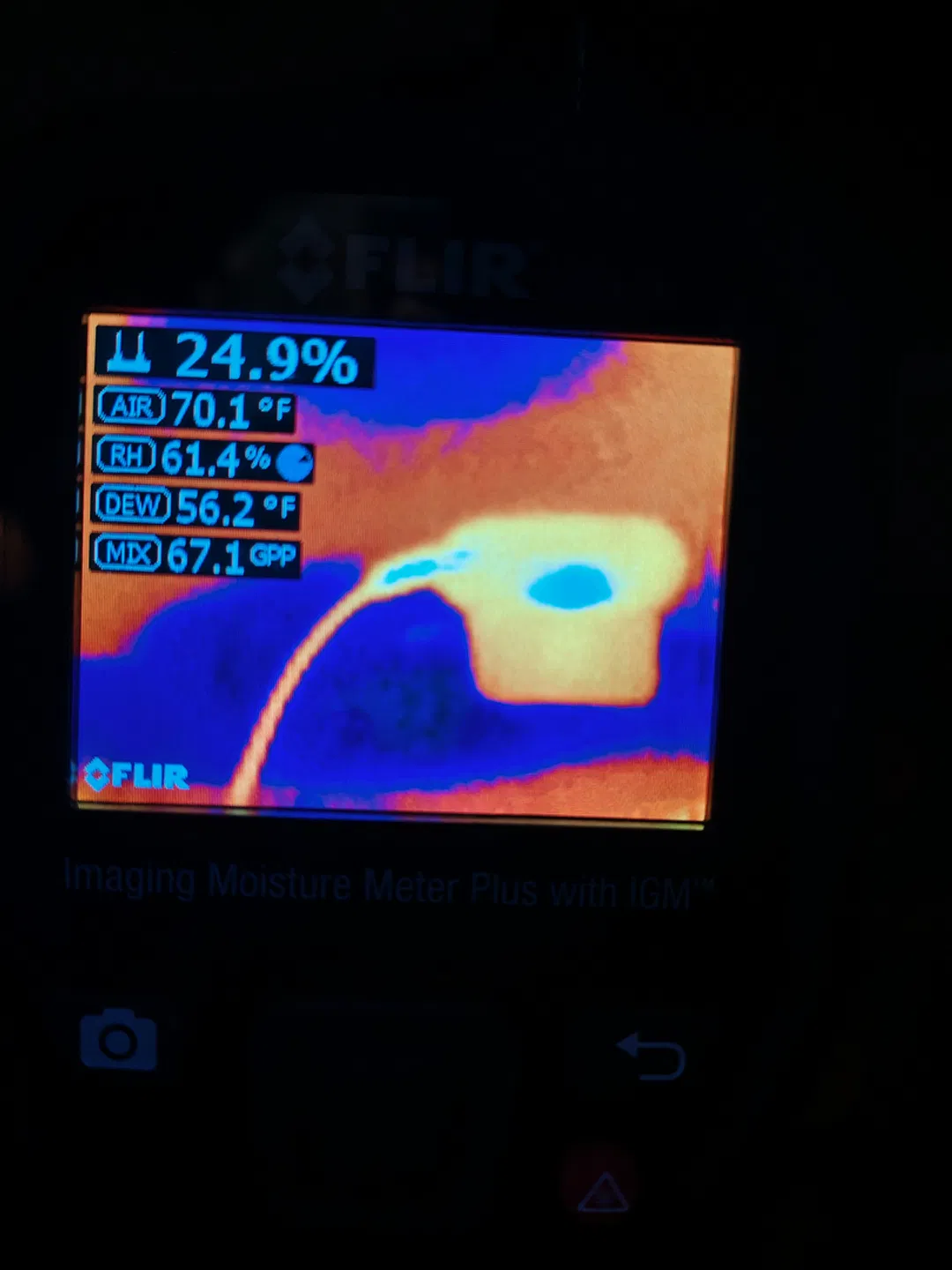
The Fix: Be a detective. If you see a stain, use a moisture meter (you can find these at most hardware stores in Montgomery or Bucks County) to see if it’s currently wet. If it is, find the source immediately. Early detection is the difference between a $200 repair and a $10,000 restoration project.
6. Mixing Incompatible Pipe Materials
If you’re doing a quick repair and you connect a new copper pipe directly to an old galvanized steel pipe, you’ve just created a "dielectric" reaction. Basically, these two metals don't like each other. They create a small electrical charge that leads to rapid corrosion.
Within a year or two, that joint will fail, usually causing a significant leak when you’re not home. We see this all the time in older homes across Pennsylvania where various "handyman" fixes have been applied over the decades.
The Fix: Always use a "dielectric union" or a specific transition fitting (like a SharkBite or a brass nipple) when joining different types of metal pipes. This acts as a buffer and prevents the corrosion from eating your plumbing.
7. Skipping Your Annual Plumbing and Drainage "Physical"
We go to the doctor for checkups, right? Your home needs the same thing. Many homeowners wait until there’s a puddle on the floor to think about their drainage. By then, the damage is done.
In our area, things like tree roots can grow into your sewer lines, or your sump pump can simply get tired after years of hard work. If your sump pump fails during a heavy Bucks County thunderstorm, your basement is finished.
The Fix: Once a year, do a walk-through. Check your sump pump by pouring a bucket of water into the pit to make sure it kicks on. Look at your water heater for signs of rust. Walk your yard after a heavy rain to see where the water is pooling. If you’re not sure what to look for, about us and our team: we're here to help you stay proactive.

Why Bucks County Drainage is Unique
Here’s a little local tip: if you live in places like Newtown, Yardley, or Langhorne, you're likely dealing with that heavy clay soil we mentioned. When it rains heavily, the ground saturates quickly. This means the water has nowhere to go but into your basement or across your lawn toward your foundation.
If you’re seeing standing water in your yard hours after the rain stops, you might need a French drain or a dry well. These are professional solutions that can redirect that groundwater before it ever touches your house. It’s a bit of an investment, but it’s nothing compared to the stress of a flooded living room.
When to Call the Heroes
We know you’re capable and want to protect your home. But sometimes, despite your best efforts, nature wins. If you find yourself facing a backup, a burst pipe, or a flooded basement, don’t panic.
At My Water Damage Hero, we live and work right here in the community. We know the local codes, the local weather patterns, and exactly how to handle our regional soil issues. Whether it’s water extraction or a full restoration, we’ve got your back 24/7.

Final Thoughts
Taking care of your home's drainage doesn't have to be a full-time job. It’s mostly about paying attention to the small signs and avoiding those "quick fixes" that cause long-term trouble.
Quick Recap of Your Action Plan:
Ditch the chemicals: Use mechanical tools for clogs.
Don't over-tighten: Snug is enough.
Extend your downspouts: Get that water away from the foundation!
Watch what you flush: Only the "Three Ps."
Investigate damp spots: Catch them while they're small.
Use the right fittings: Prevent corrosion.
Test your sump pump: Do it before the storm hits.
If you ever feel like you're in over your head, remember that you don't have to do this alone. We're just a phone call away, ready to help you keep your home dry, safe, and mold-free. Stay dry out there, Bucks County!
Need immediate help or want to schedule an inspection? Contact us today and let’s make sure your home stays the sanctuary it’s meant to be.
Comments