10 Reasons Your DIY Mold Removal Isn't Working (And How to Fix It for Bucks County Homeowners)
- info603880
- Apr 2
- 5 min read
Finding a patch of fuzzy black or green growth in your basement or under the kitchen sink is enough to make any Bucks County homeowner panic. Your first instinct? Grab the bleach, a scrub brush, and get to work. You want it gone, and you want it gone now.
But here’s the frustrating truth we see every day at My Water Damage Hero: DIY mold removal often backfires. You spend your Saturday scrubbing, only to find the mold back: and bigger: two weeks later. It’s a stressful cycle that can leave your home smelling musty and your family feeling under the weather.
If you’ve been fighting a losing battle with mold in your Doylestown basement or your Levittown crawl space, you aren't alone. Let’s dive into the 10 reasons why your DIY efforts might be falling short and how you can actually solve the problem for good.
1. You’re Accidentally Spreading the Spores
When you see mold on a wall, you’re looking at a colony. When you touch it, scrub it, or even blow a fan near it, you release millions of microscopic spores into the air. Without professional containment, these spores act like tiny dandelion seeds, floating through your hallways and into your HVAC system.
By trying to clean one spot, you might be unintentionally "planting" mold in every other room of your house. Professionals use negative air pressure and HEPA filtration to keep those spores locked in the work zone.

2. Your Protective Gear Isn't Enough
A simple paper dust mask from the local hardware store in Quakertown isn't going to cut it. Mold spores are incredibly small and can easily bypass standard masks. If you aren't wearing a properly fitted N95 or P100 respirator, you are breathing in those toxins.
Professional mold remediation requires full-body suits, sealed goggles, and specialized gloves. If you finish a cleaning session feeling wheezy or develop a headache, your DIY gear has failed you.
3. You’re Only Dealing with the "Iceberg"
Visible mold is usually just the tip of the iceberg. Mold loves dark, cramped spaces where air doesn't move. While you’re scrubbing the drywall in the laundry room, there’s a good chance the mold has already moved into the insulation, behind the baseboards, or under the floorboards.
If you don't find the "mother colony" hidden behind the wall, the mold will just keep pushing through to the surface. It’s like weeding a garden without pulling up the roots: it’s coming back.
4. The Bleach Myth is Ruining Your Progress
This is the big one. We see homeowners all over Bucks County reach for the bleach bottle first. Here’s the thing: bleach is great for non-porous surfaces like tile or glass. But on porous materials like drywall, wood, or ceiling tiles? It’s actually counterproductive.
Bleach contains a lot of water. The chlorine stays on the surface, but the water soaks deep into the material. You might "bleach" the color out of the mold on top, but you’re actually feeding the roots with moisture. You’re basically watering the mold!
5. You Haven't Stopped the Water Source
Mold is a symptom, not the original problem. Mold needs three things to grow: food (drywall/wood), the right temperature, and moisture. If you haven't fixed the leaky pipe, the high humidity in your basement, or the slow drip behind the fridge, the mold has no reason to leave.
Before you start cleaning, you need to ask: Why is it wet? If you need help identifying the cause, check out our guide to emergency flood cleanup to see how moisture behaves in SEPA homes.
6. You’re Guessing Instead of Testing
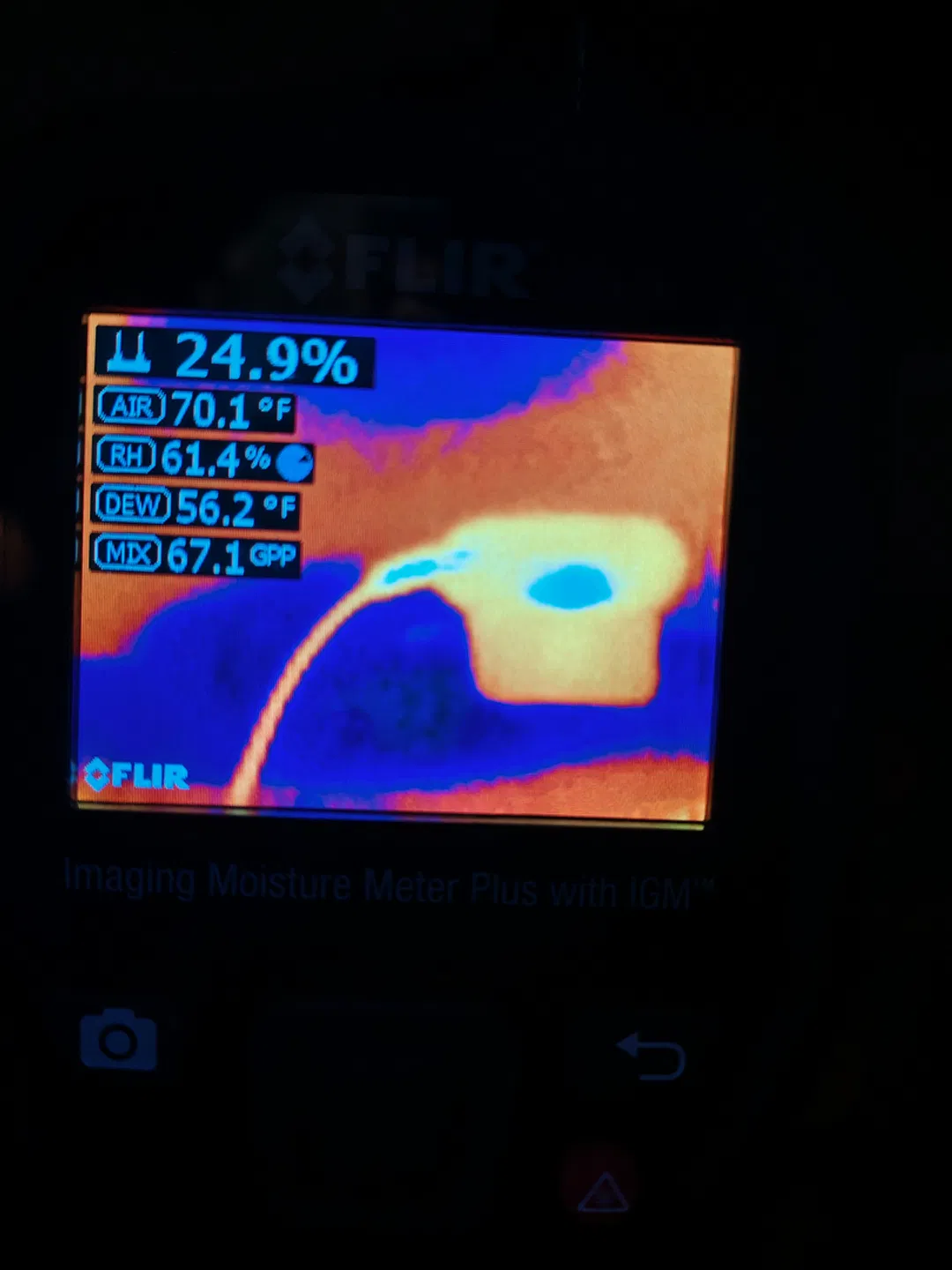
How do you know if you got it all? Without the right data, you’re just guessing. Professionals use advanced tools like infrared cameras and moisture meters to find hidden pockets of dampness that the naked eye can’t see.
If the wall feels dry to your hand but the moisture meter says it’s at 25% saturation, mold is going to grow. Using technology takes the guesswork out of the equation and ensures the environment is actually inhospitable to spores.
7. You’re Scared to Rip Out the Drywall
It’s hard to intentionally damage your own home. We get it. Many DIYers try to save the drywall by sanding it down or painting over it with "mold-resistant" paint.
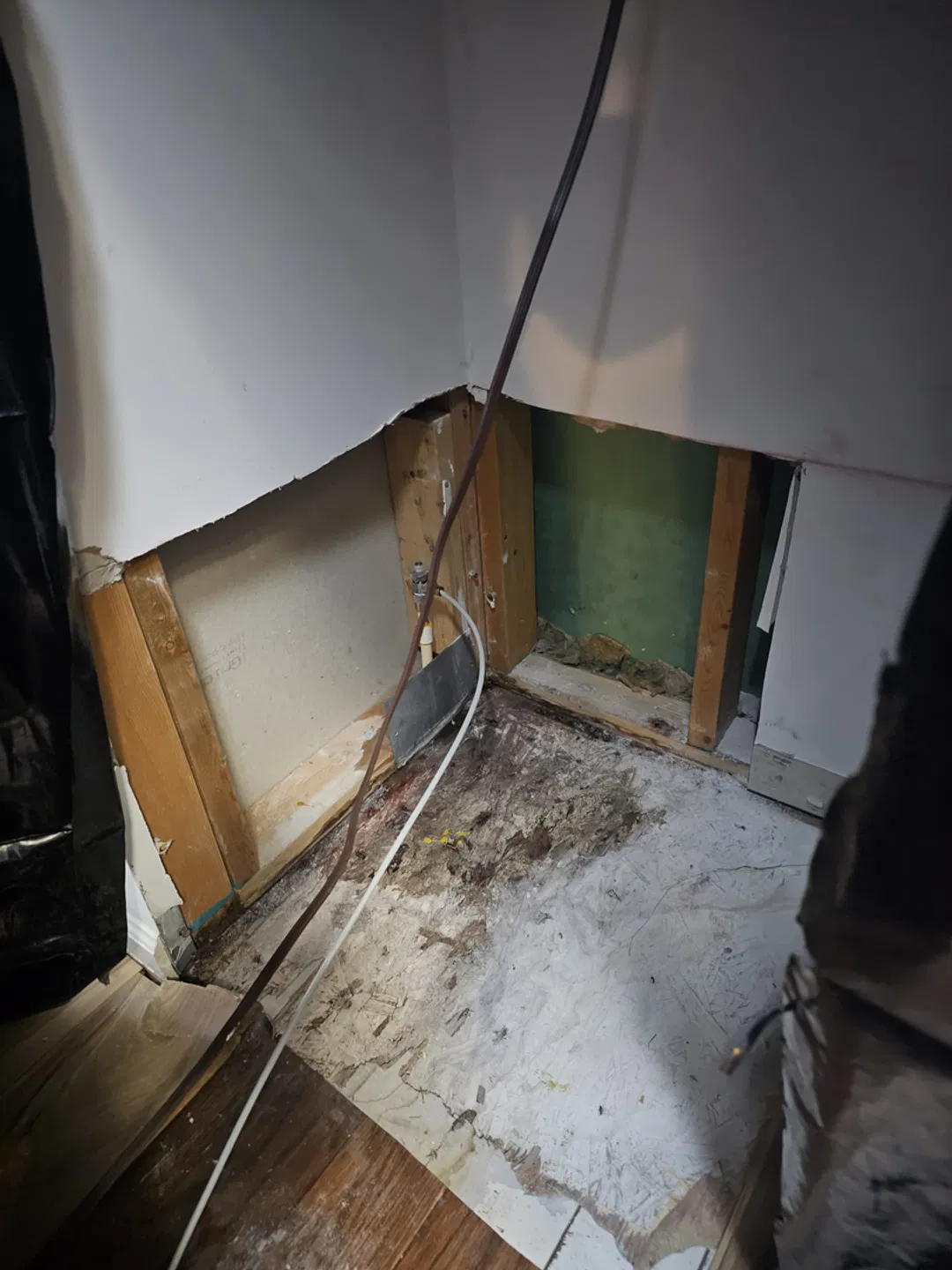
Unfortunately, if mold has penetrated the paper backing of your drywall, that piece of wall is now mold food. It has to go. Professional water damage restoration involves removing contaminated materials safely so they don't infect the rest of the structure.
8. You’re Leaving the "Dead" Mold Behind
Even if you manage to kill the mold with a professional-grade antimicrobial, the dead spores are still a problem. Dead mold can still trigger allergic reactions, asthma attacks, and respiratory issues.
Proper remediation isn't just about killing the mold; it’s about removing it. This involves HEPA vacuuming and "sandwiched" cleaning methods that physically lift the spores away from your living space. If you just spray and walk away, the irritants are still there.
9. Household Dust is Fueling the Fire
Did you know that common household dust is one of mold's favorite snacks? It’s full of organic matter like skin cells and fabric fibers. If your DIY cleanup doesn't include a deep, microscopic cleaning of the surrounding area, the mold has a ready-made buffet waiting for it the next time a little humidity hits.
This is why we emphasize a 5-minute daily prevention routine: keeping your home dry and clean is the best defense.
10. You’re Risking Your Insurance Coverage
Many Bucks County homeowners don't realize that insurance companies often require proof of professional remediation to cover a claim. If you try to fix a major mold issue yourself and fail, the insurance company might argue that you "neglected" the problem, which could lead to a denied claim later on.
Working with a team like My Water Damage Hero means you have a paper trail of professional moisture readings, protocols, and clearance testing. This protects your home’s value and your wallet.
How to Fix It: The Professional Path
If your DIY efforts haven't worked, don't beat yourself up. Mold is a biological adversary, and it’s tough to beat without the right arsenal. Here is how the pros at My Water Damage Hero fix the issue for good:
Containment First: We seal off the area using heavy-duty plastic and "air locks" to ensure your living room stays safe while we work in the basement.
Air Scrubbing: We use industrial-strength HEPA air scrubbers to pull spores out of the air 24/7 during the project.
Source Identification: We don't just clean; we find the leak. Whether it's a foundation crack in Newtown or a roof leak in Bensalem, we find the "why."
Controlled Removal: We safely remove only what is necessary, treating the remaining structural studs with EPA-registered antimicrobials.
Clearance Testing: We don't say the job is done until independent testing proves the spore counts are back to normal, healthy levels.
Don't Let Mold Take Over Your Home
Dealing with mold is overwhelming, but you don't have to do it alone. If you've tried the DIY route and the musty smell is still there, or if you’re seeing spots return, it’s time to call in the heroes.
Whether you need mold testing vs. remediation advice or you're dealing with a full-blown emergency, we are here for our neighbors in Bucks, Montgomery, and Chester counties.
Stop the cycle of failed DIY attempts. Give us a call at 610-228-7440 or visit our contact page to schedule an inspection. We’ll help you breathe easy again!
Comments